
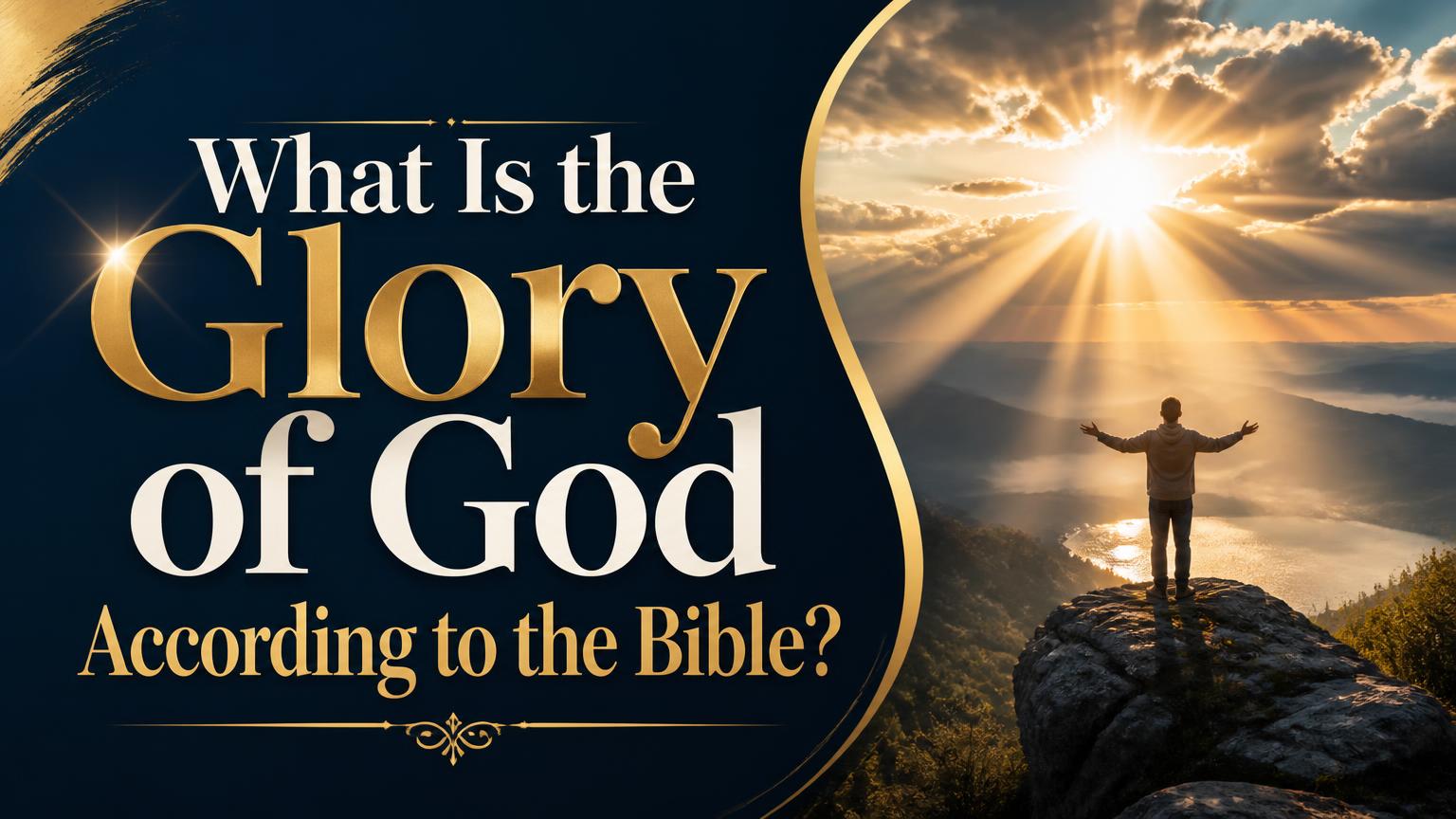
According to the Bible, the glory of God is the manifestation of who God is—His holiness, greatness, beauty, power, goodness, and worth—made known in His presence and actions. Scripture presents God’s glory as both an eternal reality belonging to Him and a revelation that creatures can see, recognize, reflect, and praise. Creation displays it, Israel encounters it, Jesus Christ reveals it perfectly, and believers are called to live in a way that honors it.
What Is the Glory of God According to the Bible?
Glory Means God’s Weight, Worth, and Radiant Presence
The biblical idea of glory includes more than brightness or visual splendor. In the Old Testament, the Hebrew word often translated “glory” is kabod, a term associated with weight, honor, importance, and substance. God’s glory is therefore the incomparable “weight” of His being—the immeasurable worth and greatness that distinguish Him from everything He has made.
The Bible also connects God’s glory with visible manifestations of His presence. A cloud filled the tabernacle when God’s glory appeared among Israel (Exodus 40:34–35), and the temple was filled with glory at its dedication (1 Kings 8:10–11). These manifestations did not contain or limit God. They were signs through which finite human beings encountered the reality of the infinite God.
In the New Testament, the Greek word doxa can refer to honor, splendor, reputation, or praise. Together, these biblical terms show that God’s glory includes both who God eternally is and the ways His greatness becomes known.
God’s Glory Is His Character Made Known
God’s glory is not merely an external light surrounding Him. It is the radiance of His character. When Moses asked to see God’s glory, God responded by proclaiming His name and describing Himself as compassionate, gracious, patient, abounding in steadfast love and faithfulness, yet also just (Exodus 33:18–19; 34:5–7). The passage connects glory with God’s moral nature.
This means that God’s holiness, mercy, justice, wisdom, faithfulness, and love all belong to His glory. His glory is seen when He judges evil, forgives sin, keeps His covenant, rescues the oppressed, and shows patience toward sinners. The Bible does not treat God’s power as glorious in isolation from His goodness. God’s glory is the perfection and unity of all His attributes.
For that reason, biblical worship is not simply admiration of divine strength. It is a response to the whole truth about God. To glorify Him is to recognize Him as He truly is rather than reducing Him to a source of personal benefit, success, or emotional experience.
Creation and History Display God’s Glory
The created world reveals God’s glory by displaying His power, order, wisdom, and generosity. Psalm 19:1 says, “The heavens declare the glory of God,” while Romans 1:20 teaches that God’s invisible qualities are perceived through what He has made. Nature does not reveal every aspect of God, and creation cannot replace God’s special revelation in Scripture. Yet it provides real testimony that the world is dependent on a wise and powerful Creator.
God’s glory is also displayed through His actions in history. The exodus from Egypt revealed His power and faithfulness; Israel’s preservation testified to His covenant mercy; and the prophets interpreted national events in relation to God’s justice and sovereignty. Biblical history is therefore more than a record of human decisions. It is also the story of God making His character known through judgment, deliverance, patience, and redemption.
The Bible repeatedly shows that God acts for the sake of His name and glory, not because He is insecure or dependent on human praise. His actions reveal the truth about Him and establish His rightful honor. When God saves, judges, or keeps His promises, His glory becomes visible in the world.
Jesus Christ Is the Supreme Revelation of God’s Glory
The New Testament presents Jesus Christ as the clearest and fullest revelation of God’s glory. John writes that “the Word became flesh” and that the disciples “have seen his glory” (John 1:14). Hebrews 1:3 describes the Son as “the radiance of the glory of God and the exact imprint of his nature.” These passages identify Jesus not merely as a messenger who talks about God but as the definitive self-revelation of God.
Jesus reveals God’s glory through His teaching, miracles, compassion, holiness, authority, death, and resurrection. The glory of God appears in a form that overturns human expectations: divine greatness is expressed through humble service and self-giving love. Philippians 2:6–11 connects Christ’s humiliation, obedience, death, resurrection, and exaltation. The cross, which appeared to be weakness and disgrace, becomes a central display of God’s wisdom, justice, mercy, and love.
This also explains why Christian understanding of God’s glory cannot be separated from Jesus. To see Christ truly is to encounter the glory of God, and to reject Christ is to remain blind to the fullest revelation God has given.
Human Beings Are Made to Reflect and Honor God’s Glory
Humanity’s purpose is related to God’s glory because people are created in God’s image (Genesis 1:26–28). Human beings do not possess God’s glory independently, but they are intended to reflect His character through righteous relationships, wise stewardship, truth, mercy, and worship. Sin distorts that reflection. Romans 3:23 describes humanity’s problem by saying that all have sinned and fall short of the glory of God.
To glorify God does not mean increasing His greatness or supplying something He lacks. God is already perfectly glorious. It means acknowledging His worth, responding to Him rightly, and displaying something of His character in the way one lives. Jesus therefore teaches His followers to let their light shine so that others may see their good works and give glory to the Father (Matthew 5:16).
Human beings also seek glory for themselves. The Bible distinguishes legitimate honor from prideful self-exaltation. People may receive appropriate recognition, but they must not treat themselves as ultimate. The central question is whether achievement, beauty, knowledge, wealth, or influence directs attention toward God or becomes an alternative object of worship.
How People Glorify God According to Scripture
Worship God With Truth and Thanksgiving
Glorifying God begins with seeing and acknowledging Him accurately. Worship includes praise, prayer, singing, confession, reverence, and thanksgiving, but it is not limited to formal gatherings. Psalm 50:23 connects thanksgiving with honoring God, and Romans 12:1 describes the offering of one’s whole life as an act of worship.
Thanksgiving glorifies God because it recognizes that life, salvation, daily provision, and every good gift ultimately depend on Him. Worship also corrects the tendency to treat blessings as products of personal effort alone. A grateful person receives good things without making them ultimate, and faces hardship without concluding that God has ceased to be faithful.
Reflect God’s Character Through Holy Living
A life that glorifies God increasingly reflects His character. Jesus links love for God with love for others, while the New Testament repeatedly connects holiness with the reputation of Christ among observers. Honesty, sexual integrity, forgiveness, generosity, patience, justice, and compassion are not merely private virtues; they demonstrate what a person believes God is like.
This does not mean Christians glorify God by achieving moral perfection through their own strength. Biblical obedience is a response to grace and depends on God’s transforming work. Yet grace does not make conduct irrelevant. First Corinthians 10:31 gives a broad principle: whatever believers do—even ordinary activities such as eating and drinking—should be done for God’s glory. The standard applies to work, family life, speech, money, decisions, and relationships.
Serve Others Without Making the Self Ultimate
Jesus displays God’s glory through humble service. His followers glorify God when they use their abilities and resources to meet genuine needs rather than using them only for status or control. This includes caring for the vulnerable, practicing generosity, pursuing justice, welcoming others, and serving within the church.
Such service does not earn God’s acceptance as a payment. Rather, it expresses gratitude for grace and gives visible form to love of neighbor. It also requires wisdom: biblical service respects people’s dignity, addresses real needs, and does not confuse control or self-importance with compassion. The goal is not to make the servant admired but to make God’s goodness more evident.
Trust God in Suffering and Hope
Suffering does not automatically reveal God’s glory in an obvious way, and Scripture does not require people to pretend that pain is pleasant. Yet the Bible teaches that God can display His faithfulness through perseverance, comfort, courage, and hope in suffering. Paul speaks of affliction producing endurance and directing believers toward eternal glory (2 Corinthians 4:16–18).
This hope rests on resurrection. The glory Christians seek is not merely present success or public recognition but participation in the future renewal God promises. Romans 8:18–21 places present suffering within the larger expectation that creation itself will be liberated from corruption. A believer’s endurance can therefore honor God, not because suffering is good in itself, but because God remains faithful within it and will ultimately overcome death and decay.
Important Distinctions About God’s Glory
God’s glory should not be reduced to a visible glow, although biblical visions sometimes describe brilliant light. Light symbolizes purity, life, revelation, and majesty, but God’s glory also appears through His words, deeds, judgments, mercy, and holiness. A person may encounter God’s glory through conviction, forgiveness, wisdom, or transformed character without seeing a supernatural light.
God’s glory is also different from human fame. Fame depends on public attention and can disappear quickly; God’s glory is intrinsic, eternal, and independent of human opinion. Human praise can acknowledge glory, but it cannot create it. This distinction guards against turning Christian ministry into a pursuit of platform, applause, or personal branding.
Finally, glorifying God is different from trying to manipulate Him. Biblical worship does not persuade God to become more generous by flattering Him. It responds to who He already is. The proper movement is revelation, recognition, and response: God makes His character known, people acknowledge His worth, and their lives increasingly align with that truth.
Why God’s Glory Matters for Christian Faith
The glory of God provides the Bible’s central reference point for understanding creation, salvation, worship, and human purpose. Creation exists because God is worthy of praise; salvation restores people to fellowship with Him; and Christian obedience gives visible expression to His character. Scripture also teaches that God’s glory is the final goal of history, when His presence will fill creation and His people will enjoy Him without sin, suffering, or death.
The gospel is therefore not primarily about making human beings more successful or comfortable. It is about reconciling sinners to God through Jesus Christ so that they may know, worship, reflect, and enjoy Him. Second Corinthians 3:18 describes believers as being transformed as they behold the Lord’s glory. The pattern is significant: sustained attention to Christ produces spiritual change.
For this reason, questions about daily decisions can be brought under one governing principle: does this thought, action, ambition, or relationship acknowledge God’s worth and reflect His character? That question does not eliminate wisdom or conscience, but it gives them a clear center.
Conclusion
According to the Bible, the glory of God is the splendor, worth, holiness, goodness, and greatness of God made known. It is seen in creation, revealed through God’s acts in history, proclaimed in Scripture, and perfectly embodied in Jesus Christ. God’s glory is not merely visible brightness, nor is it something human beings can increase. It is the eternal reality of who God is and the honor that rightly belongs to Him.
People glorify God by recognizing His worth, trusting His promises, worshiping Him with gratitude, reflecting His character, serving others, and directing their lives away from self-exaltation and toward Him. The ultimate Christian hope is that God’s glory will fill all things and that His people will share in the joy of knowing Him forever.