
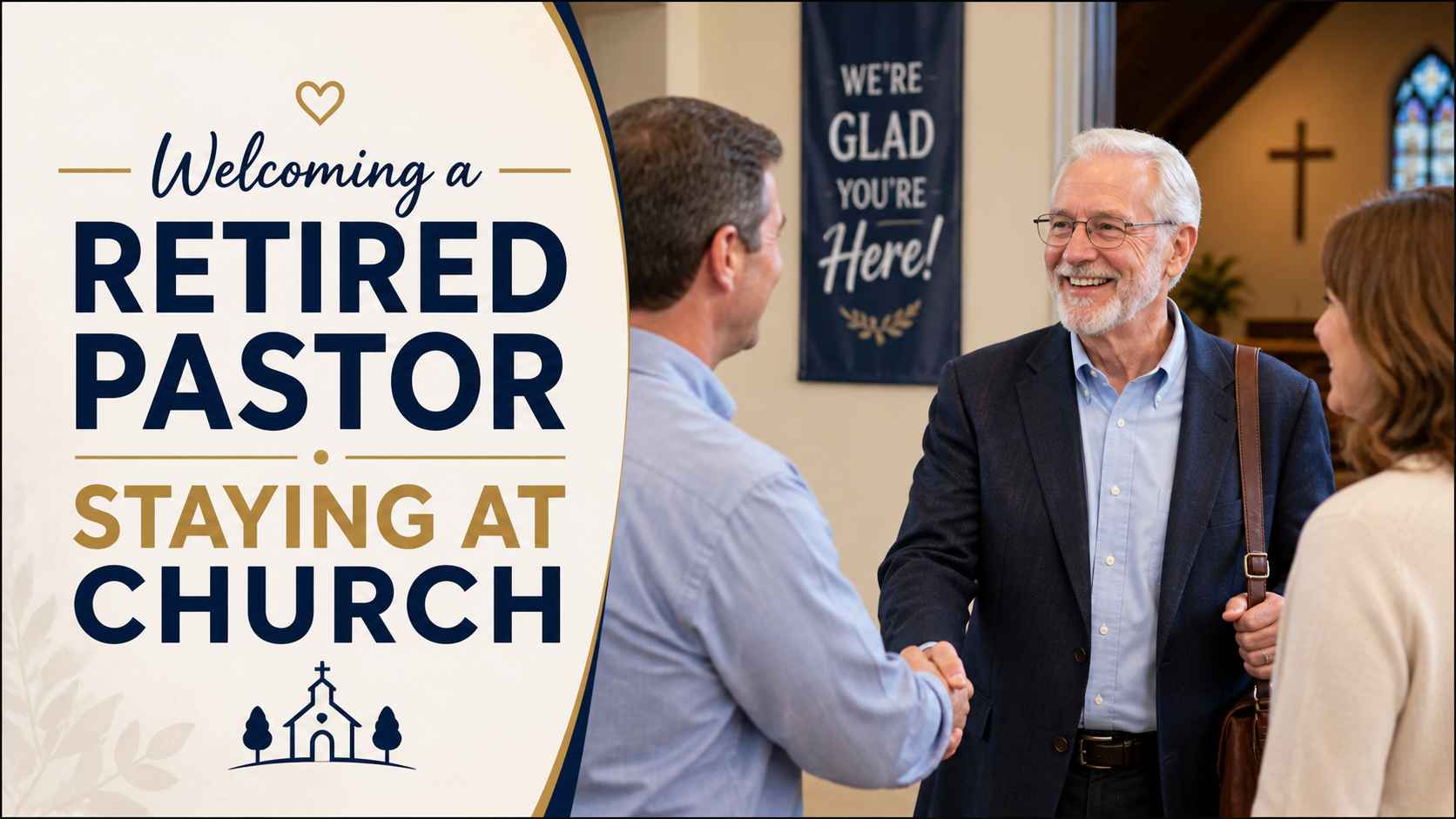
Retirement is often a season filled with mixed emotions for pastors. While it may bring relief from the pressures of ministry, it can also involve feelings of uncertainty, loss of identity, or loneliness. Understanding these emotional and spiritual needs helps churches provide better care and support.
Many retired pastors have spent decades dedicating their lives to serving others. Their schedules were once filled with sermons, hospital visits, counseling sessions, and church administration. Adjusting to a quieter pace of life can be difficult, especially if they suddenly feel disconnected from the ministry community they once led.
A retired pastor staying at church may need:
- A peaceful and comfortable environment
- Emotional encouragement and fellowship
- Respect for their privacy and personal space
- Opportunities for meaningful connection without pressure
- Recognition for their years of faithful service
Churches should approach this transition with compassion and sensitivity. Every retired pastor’s situation is different, and understanding their preferences and boundaries is essential.
Preparing the Church to Receive a Retired Pastor
Welcoming a retired pastor begins long before they arrive. Churches that prepare thoughtfully can create a smooth and positive experience for everyone involved.
Informing Church Leadership
Church leaders should discuss the retired pastor’s stay openly and prayerfully. Pastors, elders, deacons, ministry leaders, and support teams should understand the purpose of the arrangement and how the church plans to support the retired minister.
Clear communication helps avoid confusion about expectations, responsibilities, and boundaries. Leadership should consider questions such as:
- Will the retired pastor participate in ministry activities?
- What level of involvement is expected?
- How can the church maintain healthy leadership dynamics?
- Who will assist with practical needs?
Addressing these matters early creates clarity and unity within the congregation.
Preparing Accommodations
Comfortable accommodations demonstrate love and respect. Whether the retired pastor is staying in a church parsonage, guest room, or ministry apartment, the space should feel welcoming and peaceful.
Churches should consider:
- Clean and comfortable furnishings
- Proper heating and cooling
- Accessibility and safety features
- Basic household supplies
- Quiet surroundings for rest and reflection
Small touches such as fresh linens, devotional books, snacks, or a welcome basket can help create a warm atmosphere from the very beginning.
Organizing a Welcome Plan
A thoughtful welcome plan helps the retired pastor settle in comfortably. Churches may organize volunteers or ministry teams to assist with transportation, meals, errands, or introductions to church members.
Helpful welcome ideas include:
- Assigning a church family as hosts or companions
- Preparing meals during the first week
- Offering transportation assistance
- Providing information about the local community
- Creating a schedule of church activities and services
Simple acts of kindness often leave a lasting impact.
Ways to Make a Retired Pastor Staying at Church Feel Welcome
Making a retired pastor feel genuinely welcomed requires intentional care and heartfelt fellowship. Churches that cultivate a loving environment can help retired ministers feel valued and appreciated during this season of life.
Hosting a Warm Welcome Gathering
A welcome gathering is an excellent way to introduce the retired pastor to the congregation. This does not need to be elaborate. A fellowship meal, reception, or informal gathering after a church service can create opportunities for connection and encouragement.
During the gathering, church leaders may:
- Publicly express appreciation for the pastor’s years of ministry
- Introduce the pastor and their family to members
- Offer prayers of blessing and support
- Encourage members to personally greet them
Such events help the retired pastor feel included rather than isolated.
Encouraging Meaningful Relationships
Strong relationships are vital for emotional and spiritual well-being. Churches should encourage members to build genuine friendships with the retired pastor instead of treating them merely as a guest.
Ways to encourage connection include:
- Inviting them to small groups or Bible studies
- Including them in fellowship events
- Visiting regularly for conversation and encouragement
- Sharing meals together
- Offering companionship without overwhelming them
Healthy relationships help retired pastors remain connected to the body of Christ while enjoying their retirement years.
Showing Appreciation and Respect
Retired pastors have often spent many years sacrificially serving God and His people. Churches should intentionally honor and appreciate their contributions.
Respect can be shown through:
- Kind words of encouragement
- Public recognition during services
- Thank-you cards from church members
- Occasional appreciation events
- Prayer support from the congregation
Even small gestures can deeply encourage a retired minister who may wonder whether their years of service are still remembered.
Supporting the Retired Pastor Spiritually and Emotionally
A retired pastor may still face emotional struggles, spiritual fatigue, or challenges adjusting to retirement. Churches can play a powerful role in providing encouragement and support.
Respecting Their Need for Rest
One common mistake churches make is expecting retired pastors to immediately take on ministry responsibilities. While many retired ministers still enjoy serving, retirement should also provide time for rest, renewal, and personal reflection.
Churches should avoid placing unnecessary pressure on retired pastors to:
- Preach regularly
- Lead ministries
- Resolve church conflicts
- Fill leadership gaps
Instead, churches should allow them to serve voluntarily and according to their comfort level.
Providing Emotional Support
Retirement can sometimes lead to feelings of loneliness or loss. A pastor who once interacted with hundreds of people weekly may suddenly experience a quieter and more isolated lifestyle.
Churches can provide emotional support by:
- Checking in regularly
- Offering friendship and conversation
- Encouraging participation in fellowship activities
- Listening with compassion and understanding
- Including them in church family life
Simple kindness and genuine care can make a tremendous difference.
Encouraging Continued Spiritual Growth
Even in retirement, spiritual growth remains important. Churches can encourage retired pastors to continue deepening their relationship with God through prayer, worship, and fellowship.
Helpful opportunities include:
- Bible study groups
- Prayer meetings
- Devotional gatherings
- Retreats and spiritual renewal events
- Personal ministry projects or mentoring opportunities
Supporting spiritual growth reminds retired pastors that their walk with God continues to flourish beyond active ministry leadership.
Conclusion
Welcoming a retired pastor staying at church is an opportunity to demonstrate Christian love, hospitality, and gratitude. These faithful servants have often spent years caring for others, and retirement provides the church with a meaningful chance to care for them in return.
By preparing thoughtfully, fostering genuine relationships, respecting boundaries, and offering emotional and spiritual support, churches can create an environment where retired pastors feel valued, respected, and at home.
A retired pastor may no longer carry the daily responsibilities of ministry, but their wisdom, faith, and life experiences continue to bless the church community. When churches honor retired ministers with kindness and compassion, they reflect the heart of Christ and strengthen the bonds of fellowship within the body of believers.