
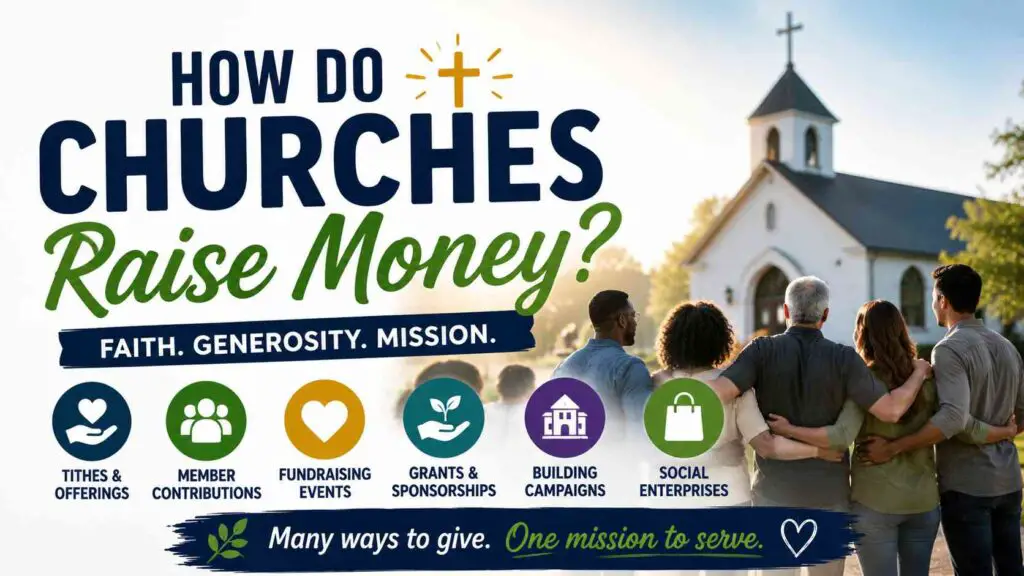
Churches need financial support to sustain ministry work, maintain facilities, fund outreach programs, support missions, and serve their communities effectively. While traditional tithes and offerings remain essential, many churches are now adopting creative fundraising strategies to diversify income and engage members in meaningful ways.
From community events to digital giving platforms, successful church fundraising combines vision, communication, and practical action. The best fundraising efforts not only generate revenue but also strengthen relationships within the congregation and create opportunities for outreach.
In this guide, we’ll explore how churches raise money and examine actionable fundraising strategies that churches of all sizes can implement successfully.
How Do Churches Raise Money?
Churches raise money through a combination of donations, fundraising events, recurring giving programs, sponsorships, online campaigns, and community-centered activities. The most successful churches often use multiple fundraising approaches simultaneously to create sustainable financial support.
Below are some of the most effective and proven church fundraising strategies.
#1. Community Fellowship Meals
Community meals are one of the simplest and most effective ways for churches to raise money while strengthening relationships within the congregation.
Churches can organize:
- Pancake breakfasts
- BBQ nights
- International food festivals
- Chili cook-offs
- Spaghetti dinners
- Potluck fundraising events
Charging an entry fee or accepting donations helps generate revenue while encouraging fellowship.
To maximize participation:
- Promote the event several weeks in advance
- Encourage members to invite friends and neighbors
- Include entertainment or testimonies
- Offer family pricing packages
These events work especially well because they create a welcoming environment that combines fundraising with community outreach.
#2. Capital Campaign Giving Drives
Capital campaigns focus on raising money for a major church goal such as:
- Building renovations
- New sanctuary construction
- Debt reduction
- Mission projects
- Community outreach centers
Successful campaigns begin with a clear and inspiring vision. People are more likely to give when they understand exactly how their donations will make an impact.
Effective capital campaigns often include:
- Vision presentations
- Progress tracking updates
- Testimony videos
- Special pledge commitments
- Leadership donor participation
Churches should communicate transparently throughout the campaign to build trust and maintain momentum.
#3. Online Giving Platforms
Digital giving has transformed how churches receive donations. Many church members now prefer giving online rather than using cash or checks.
Online giving platforms allow churches to accept:
- One-time donations
- Recurring monthly gifts
- Mobile giving
- Text-to-give contributions
- Livestream donations
Online giving also makes generosity more convenient for younger generations and remote attendees.
To improve results:
- Add giving buttons to the church website
- Mention online giving during services
- Include donation links in email newsletters
- Optimize mobile giving experiences
Recurring donations are especially valuable because they create predictable monthly income.
#4. Church Auctions
Church auctions can generate substantial funds while involving the entire congregation.
Churches can auction:
- Handmade crafts
- Gift baskets
- Local business donations
- Professional services
- Vacation stays
- Artwork
- Baked goods
Both silent auctions and live auctions can be highly successful.
For better engagement:
- Display items attractively
- Create friendly competition
- Promote high-value auction items early
- Include online bidding options when possible
Partnering with local businesses can also expand community support and increase available auction items.
#5. Charity Walks and Fun Runs
Walkathons and 5K events help churches combine fundraising with health, visibility, and outreach.
Participants typically raise money through sponsorships from friends, family members, or local businesses.
Churches can organize:
- Prayer walks
- Family fun runs
- Community fitness challenges
- Youth-sponsored walks
These events also create opportunities for local media coverage and community engagement.
To increase fundraising potential:
- Offer event T-shirts
- Create team competitions
- Encourage social media sharing
- Partner with local sponsors
#6. Seasonal Holiday Events
Holiday-themed church events consistently attract large audiences and fundraising opportunities.
Popular examples include:
- Christmas concerts
- Easter productions
- Harvest festivals
- Nativity experiences
- Valentine’s banquets
- Thanksgiving outreach dinners
Churches can generate income through:
- Ticket sales
- Vendor booths
- Donations
- Merchandise sales
- Sponsorships
Holiday events also introduce new visitors to the church and help strengthen community connections.
#7. Crowdfunding Campaigns
Crowdfunding allows churches to raise money online for specific causes and urgent needs.
Churches commonly use crowdfunding for:
- Mission trips
- Emergency assistance
- Building repairs
- Disaster relief
- Outreach programs
Successful campaigns focus heavily on storytelling and emotional connection.
Effective crowdfunding campaigns usually include:
- Personal testimonies
- Photos and videos
- Clear financial goals
- Regular updates
- Social sharing strategies
People are more likely to give when they can see the direct impact of their contributions.
#8. Recurring Monthly Partner Programs
Monthly giving programs provide long-term financial stability for churches.
These programs often use names such as:
- Faith Partners
- Kingdom Builders
- Monthly Mission Supporters
- Legacy Givers
Monthly donors typically give smaller amounts consistently, which adds up significantly over time.
Churches can encourage participation by offering:
- Ministry updates
- Exclusive newsletters
- Prayer resources
- Donor appreciation events
Building strong relationships with recurring donors is critical for long-term sustainability.
#9. Church Merchandise Sales
Church-branded merchandise can generate additional revenue while promoting church identity.
Popular products include:
- T-shirts
- Hoodies
- Mugs
- Journals
- Devotionals
- Tote bags
- Stickers
Churches can sell products during events, online, or after services.
To improve sales:
- Use modern and appealing designs
- Create seasonal merchandise
- Highlight mission-related products
- Offer limited-edition items
Merchandise fundraising works best when products genuinely resonate with the congregation.
#10. Benefit Concerts and Worship Nights
Music-centered fundraising events are highly effective because they naturally align with church culture and worship.
Churches can organize:
- Worship nights
- Choir concerts
- Gospel music festivals
- Youth band performances
- Christian artist guest events
Revenue can come from:
- Ticket sales
- Donations
- Sponsorships
- Merchandise tables
These events also serve as powerful outreach opportunities for the surrounding community.
#11. Sponsorship Programs
Church sponsorships help offset costs for specific ministries and programs.
Businesses or individuals may sponsor:
- Youth camps
- Outreach events
- Food programs
- Sports leagues
- Mission trips
In return, sponsors may receive:
- Public recognition
- Event advertising
- Promotional materials
- Community visibility
Local business partnerships often strengthen relationships between the church and the wider community.
#12. Rummage and Yard Sales
Church yard sales remain one of the most practical and accessible fundraising methods.
Members donate:
- Clothing
- Furniture
- Books
- Electronics
- Household items
Large community sales can attract hundreds of shoppers.
For better success:
- Organize items neatly
- Advertise heavily online
- Offer early-access shopping
- Include refreshments for sale
Unsold items can often be donated afterward to local charities.
#13. Mission Trip Fundraisers
Mission teams often organize creative fundraising efforts to cover travel and outreach costs.
Common mission fundraisers include:
- Car washes
- Bake sales
- Sponsorship letters
- Envelope campaigns
- Dinner events
Churches should focus on sharing the spiritual impact of the mission rather than only discussing financial needs.
Supporters are more motivated to give when they understand how lives will be changed through the mission work.
#14. Grant Applications
Many churches overlook grant opportunities that can support community-focused programs.
Churches may qualify for grants related to:
- Food assistance
- Homeless outreach
- Education programs
- Counseling services
- Community development
Strong grant applications usually include:
- Clear objectives
- Financial transparency
- Measurable outcomes
- Community impact data
Churches with active outreach ministries may find grants to be a significant funding source.
#15. Giving Challenges and Matching Gifts
Matching gift campaigns create urgency and motivate donors to participate.
In these campaigns:
- Major donors pledge matching funds
- Contributions are doubled during a specific period
- Churches promote limited-time opportunities
Giving challenges work especially well during:
- End-of-year campaigns
- Building projects
- Special mission initiatives
Urgency and momentum often lead to higher participation rates.
Tips for Successful Church Fundraising
Build Around a Clear Vision
People give more generously when they understand the purpose behind the fundraiser.
Always communicate:
- The goal
- The impact
- The timeline
- The expected outcome
Use Storytelling
Stories create emotional connection and inspire action.
Share:
- Testimonies
- Community impact stories
- Ministry successes
- Personal transformations
Promote Consistently
Successful fundraising requires ongoing communication.
Use:
- Church announcements
- Social media
- Email newsletters
- Flyers
- Text messaging
- Livestream reminders
Involve the Congregation
Church fundraising works best when members feel personally connected to the mission.
Encourage volunteers to:
- Lead committees
- Share ideas
- Invite participants
- Promote events
Follow Up With Donors
Always thank donors and communicate the results of fundraising efforts.
Transparency builds trust and encourages future support.
Closing Thoughts
Church fundraising is about far more than collecting money. It is about equipping ministry, strengthening community relationships, and expanding the church’s ability to serve others.
The most effective churches combine traditional generosity with creative fundraising strategies that engage both members and the wider community. Whether through community meals, online giving, sponsorships, or large-scale campaigns, churches can build sustainable financial support while advancing their mission.
By choosing fundraising strategies that align with the church’s vision and community needs, churches can create lasting impact while encouraging generosity, unity, and spiritual growth.