
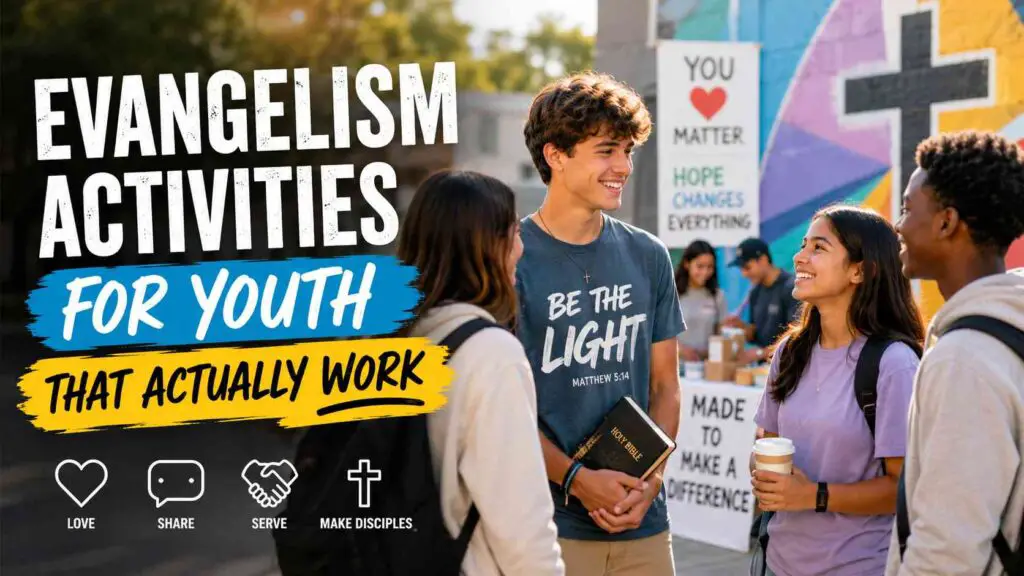
Reaching young people with the Gospel has never been more important — or more challenging. Today’s teenagers and young adults are growing up in a world filled with social pressure, digital distractions, anxiety, loneliness, identity confusion, and constant online influence. Many young people are searching for meaning, belonging, and hope, yet they often feel disconnected from traditional church environments.
This is why modern youth evangelism must go far beyond simply organizing church services or occasional events. Effective outreach happens when churches intentionally create environments where students feel welcomed, respected, heard, and genuinely cared for. Teenagers are far more likely to respond positively to Christianity when they experience authentic relationships instead of pressure-driven programs.
Strong evangelism activities for youth should accomplish several goals at once:
- Build trust and friendships
- Encourage honest conversations
- Create safe emotional spaces
- Connect Biblical truth to everyday life
- Give students opportunities to belong before they believe
- Provide ongoing discipleship and mentorship
Whether you are leading a youth ministry, serving as a volunteer, organizing school outreach, or building a church youth program from the ground up, the activities below can help you create meaningful opportunities for spiritual conversations and lasting life change.
Evangelism Activities for Youth
#1. Invite-a-Friend Youth Nights
Invite-a-friend nights remain one of the most effective youth evangelism activities because they rely on personal relationships rather than advertising alone. Teenagers are significantly more likely to attend an unfamiliar event if a trusted friend personally invites them.
The purpose of these events is not simply to attract large crowds. The real goal is to create an environment where unchurched students feel safe, welcomed, and interested in returning.
Start by choosing a theme that appeals to teenagers and creates excitement. Popular themes may include:
- Glow-in-the-dark parties
- Sports competitions
- Taco nights
- Nerf wars
- Summer kickoffs
- Holiday parties
- Outdoor movie nights
- Game show competitions
Once the theme is chosen, build a clear event schedule. A typical structure might look like this:
| Activity | Time |
|---|---|
| Check-in and social time | 15 minutes |
| Icebreaker games | 20 minutes |
| Food and snacks | 15 minutes |
| Worship or music | 15 minutes |
| Testimony or message | 15 minutes |
| Small groups and discussion | 20 minutes |
The atmosphere should feel energetic but not chaotic. Use upbeat music, welcoming volunteers, clear signage, and comfortable seating arrangements.
Train your youth leaders to focus on conversations rather than crowd management. Leaders should intentionally introduce themselves to new students, learn names quickly, and help newcomers feel included socially.
The message should remain simple, practical, and relatable. Avoid complicated theological language. Instead, focus on topics teenagers face daily such as:
- Anxiety
- Loneliness
- Friendship struggles
- Identity
- Purpose
- Fear of failure
- Family stress
Follow-up is one of the most important parts of the event. Collect contact information respectfully and personally invite new students to future youth gatherings within the next few days.
Many churches fail because they put tremendous energy into the event itself but neglect relationship-building afterward.
#2. Small Group “Ask Anything” Sessions
One of the biggest mistakes churches make with teenagers is assuming students are unwilling to discuss faith seriously. In reality, many young people desperately want honest answers to difficult questions but rarely feel safe enough to ask them openly.
“Ask Anything” nights create a healthy environment where students can explore Christianity honestly without fear of embarrassment or judgment.
To organize this activity successfully, begin collecting questions several days before the event. Allow students to submit questions anonymously through:
- Printed cards
- Text messages
- Google Forms
- Social media polls
- Anonymous question boxes
Questions may cover topics such as:
- Why does God allow suffering?
- Can science and Christianity coexist?
- What happens after death?
- Why do Christians disagree on certain issues?
- Is the Bible reliable?
- How do I know if God is real?
- Why do bad things happen to good people?
The physical environment matters greatly. Avoid classroom-style seating because it creates emotional distance. Instead:
- Arrange chairs in circles
- Use soft lighting
- Provide snacks or drinks
- Keep groups small and conversational
- Encourage relaxed interaction
Leaders must prioritize listening over lecturing. Students quickly recognize when adults are giving rehearsed answers instead of engaging sincerely.
It is perfectly acceptable for leaders to say:
- “I don’t know.”
- “That’s a difficult question.”
- “Christians have wrestled with this for centuries.”
- “Let’s explore that together.”
Authenticity builds credibility.
End the evening with optional prayer opportunities and one-on-one conversations for students who may need deeper guidance or emotional support.
These sessions often become some of the most spiritually impactful events in a youth ministry because students feel intellectually respected.
#3. Sports Outreach Programs
Sports outreach programs work extremely well because athletics naturally create community, teamwork, and ongoing relationships. Many students who would never attend a Bible study or church service will gladly participate in sports activities.
Churches can organize:
- Basketball leagues
- Soccer tournaments
- Volleyball nights
- Flag football games
- Skateboarding competitions
- Dodgeball tournaments
- Pickleball events
- Fitness challenges
The first step is identifying which sports are most popular in your local community. Ask students directly what activities they enjoy most.
Next, secure an accessible location such as:
- School gyms
- Church facilities
- Public parks
- Recreation centers
- Community sports complexes
Create clear schedules and age divisions to maintain organization. Consistency is important. Weekly leagues often work better than one-time events because they create repeated opportunities for relationship-building.
A successful sports outreach should include:
- Registration and team organization
- Volunteer coaches or referees
- Water and snacks
- Warm-up activities
- Devotional moments
- Post-game discussions
Devotionals should remain short and encouraging. Five to ten minutes is often enough. Connect spiritual lessons naturally to sports concepts like:
- Discipline
- Teamwork
- Perseverance
- Leadership
- Integrity
- Handling failure
Youth leaders should spend time interacting casually with students before and after games. The most meaningful evangelism conversations usually happen during informal moments rather than structured teaching sessions.
Sports outreach is especially effective for reaching teenage boys, though co-ed leagues and girls-focused events can also thrive when planned intentionally.
#4. Gaming Tournaments
Gaming culture is one of the largest social spaces in modern youth culture, making gaming tournaments an incredibly effective outreach strategy for many churches.
Teenagers often build friendships, communities, and identities around gaming. Instead of criticizing gaming culture entirely, ministries can wisely use it as a bridge for relationship-building and meaningful conversations.
Popular games for youth events include:
- Mario Kart
- FIFA
- NBA 2K
- Super Smash Bros.
- Minecraft
- Rocket League
- Fortnite
- Madden NFL
To organize a successful gaming outreach:
- Choose games appropriate for your audience
- Create tournament brackets beforehand
- Set up multiple gaming stations
- Use projectors or large screens if available
- Prepare seating areas for spectators
- Provide food, snacks, and drinks
- Establish clear behavioral expectations
A well-organized tournament keeps energy high while preventing chaos. Assign volunteers specific responsibilities such as:
- Tournament management
- Technical support
- Hospitality
- Student engagement
- Security and supervision
Avoid making the event feel manipulative. Students should not feel tricked into attending a sermon disguised as a gaming event.
Instead, focus on:
- Genuine friendships
- Positive conversations
- Safe community
- Encouragement
- Inclusion
During breaks between matches, leaders can facilitate short conversations about topics such as identity, loneliness, competition, anger, or purpose.
Gaming outreach often connects especially well with introverted students who struggle socially in other environments.
#5. Community Service Projects
Community service projects are among the most practical and meaningful forms of youth evangelism because they allow students to demonstrate the love of Christ through action.
Many teenagers become more spiritually open when they move beyond passive church attendance and begin actively serving others.
Service projects may include:
- Neighborhood cleanup days
- Yard work for elderly residents
- Painting homes or community centers
- Cleaning school campuses
- Disaster relief projects
- Food distribution events
- Community garden work
- Assisting struggling families
Begin by identifying genuine community needs. Contact schools, local nonprofits, shelters, or city officials to ask where help is needed most.
Proper planning is essential. Organizers should prepare:
- Transportation
- Work supplies
- Safety equipment
- Permission forms
- Water and meals
- Volunteer teams
- Emergency contacts
Before beginning the project, gather students together and explain the spiritual purpose behind serving others. Read a short Bible passage about compassion, humility, or servant leadership.
Throughout the event, encourage students to:
- Work enthusiastically
- Show kindness
- Engage respectfully with community members
- Support one another
- Reflect Christ through their attitudes
After the service project ends, hold a group discussion asking:
- What impacted you most today?
- What challenges did you notice in the community?
- How did serving others affect your perspective?
- Where did you see God working?
Reflection conversations help transform simple volunteer work into deeper spiritual growth experiences.
#6. Coffee Shop Bible Discussions
Coffee shop Bible discussions create relaxed environments where students can explore faith in a less intimidating setting than traditional church classrooms.
Modern teenagers often feel more comfortable discussing personal struggles and spiritual questions in informal social environments.
Choose a coffee shop with:
- Comfortable seating
- Moderate noise levels
- Friendly staff
- Affordable menu options
- Space for small groups
Keep groups intentionally small — usually 4–8 students works best. Smaller groups encourage participation and honest dialogue.
Discussion topics should connect Biblical truth with real-life experiences such as:
- Stress and anxiety
- Social media pressure
- Relationships
- Identity and self-worth
- Loneliness
- Purpose
- Decision-making
- Forgiveness
Leaders should avoid dominating conversations. Instead:
- Ask thoughtful questions
- Encourage participation
- Listen carefully
- Validate honest struggles
- Guide conversations gently toward Scripture
Provide free drinks or snacks whenever possible. Hospitality helps students relax and feel valued.
These gatherings often work particularly well for students who feel hesitant about attending traditional church services but remain spiritually curious.
#7. Youth Worship Nights
Youth worship nights create opportunities for teenagers to experience faith emotionally, spiritually, and relationally through music, prayer, Scripture, and personal reflection. Unlike traditional church services, these gatherings should feel intimate, authentic, and youth-focused.
The goal is not to create a concert atmosphere but to help students encounter God in a meaningful and approachable way.
A successful youth worship night may include:
- Live worship music
- Acoustic sets
- Scripture readings
- Student testimonies
- Guided prayer
- Reflection time
- Short devotional teaching
- Prayer ministry opportunities
The physical environment matters significantly. Consider using:
- Soft or dim lighting
- Candles or LED lights
- Comfortable seating arrangements
- Minimal distractions
- Stage decorations that feel modern and welcoming
Avoid making worship feel overly polished or performance-driven. Teenagers often connect more deeply with sincerity than production quality.
Encourage student involvement by allowing teenagers to:
- Lead worship songs
- Share testimonies
- Read Scripture
- Pray publicly
- Help with setup and technology
A short devotional message should focus on practical spiritual topics such as:
- God’s love
- Identity in Christ
- Anxiety and peace
- Forgiveness
- Trusting God
- Spiritual purpose
End the evening with optional prayer stations or small group conversations where students can talk openly with leaders.
Worship nights are especially effective after emotionally difficult seasons, school stress periods, retreats, or tragic community events where students may be searching for comfort and hope.
#8. Testimony Sharing Events
Testimony nights are powerful because young people naturally connect with real stories more than lectures. Hearing how someone experienced transformation, healing, forgiveness, or hope through faith often makes Christianity feel more relatable and believable.
A testimony-sharing event focuses on authenticity rather than perfection. Students do not need celebrity speakers. In fact, testimonies from peers are often more impactful because teenagers see themselves reflected in those stories.
Invite speakers to share experiences involving:
- Anxiety and mental health struggles
- Addiction recovery
- Family problems
- Loneliness
- Bullying
- Identity struggles
- Overcoming fear
- Finding hope during difficult seasons
Before the event, meet with speakers individually and help them structure their testimonies clearly. Encourage them to include:
- What life was like before
- What challenges they faced
- How faith impacted their situation
- What changed afterward
- What they learned spiritually
Speakers should avoid:
- Excessive details
- Overly long stories
- Harsh language
- Making themselves appear perfect
- Glorifying past sinful behavior
Create a calm and respectful environment where students feel emotionally safe. Soft music, comfortable seating, and intentional lighting can help create a reflective atmosphere.
After testimonies conclude, divide students into small discussion groups where leaders can ask questions such as:
- What part of the story impacted you most?
- Have you ever experienced something similar?
- What questions does this raise for you?
- How can we pray for you?
These conversations often create opportunities for students to share personal struggles they may never discuss in larger settings.
#9. School Appreciation Campaigns
School appreciation campaigns are simple but highly effective outreach initiatives because they demonstrate kindness and gratitude in practical ways.
Teachers, janitors, cafeteria workers, bus drivers, counselors, and coaches often feel overworked and underappreciated. When students intentionally serve and encourage school staff, it creates positive relationships while modeling Christian compassion.
Start by contacting school administrators and explaining your intentions clearly. Emphasize that the goal is simply to encourage and support school staff members.
Possible appreciation ideas include:
- Snack baskets for teachers
- Appreciation breakfasts
- Thank-you cards
- Small gift bags
- Encouragement posters
- Coffee deliveries
- Volunteer cleanup projects
- Teacher prayer stations
Encourage youth group students to write handwritten notes rather than generic printed messages. Personalized encouragement feels far more meaningful.
Examples of encouraging notes may include:
- “Thank you for investing in students every day.”
- “We appreciate your hard work and kindness.”
- “Your encouragement makes a difference.”
Assign teams of students specific responsibilities such as:
- Decorating
- Food preparation
- Deliveries
- Card writing
- Event setup
These projects teach teenagers humility, gratitude, and servant leadership while building goodwill between the church and the local school community.
School appreciation campaigns are especially effective because they demonstrate faith through actions instead of arguments.
#10. Christian Movie Nights
Movie nights are one of the easiest youth outreach events to organize because they feel relaxed, social, and non-threatening for first-time visitors.
Students who might feel nervous attending a Bible study or church service are often comfortable attending a casual movie event with friends.
Choose films carefully. Movies should encourage meaningful discussion rather than simply providing entertainment.
Good movie themes may include:
- Redemption
- Forgiveness
- Courage
- Sacrifice
- Hope
- Identity
- Faith under pressure
- Family relationships
Popular options may include:
- Faith-based films
- Inspirational sports movies
- Character-driven dramas
- Family-friendly movies with strong moral themes
Before showing the movie:
- Test audio and video equipment
- Arrange comfortable seating
- Prepare snacks and drinks
- Create a welcoming check-in area
- Assign greeters and volunteers
After the movie ends, avoid dismissing students immediately. Instead, facilitate a short discussion around key themes.
Discussion questions may include:
- Which character did you relate to most?
- What choices in the movie stood out to you?
- Did the story change your perspective on anything?
- What spiritual themes did you notice?
Keep conversations conversational rather than preachy. Students are more likely to engage honestly when discussions feel natural.
Movie nights often work well as recurring monthly outreach events because they require relatively low preparation compared to larger programs.
#11. Outdoor Adventure Trips
Outdoor adventure trips are highly effective because they remove students from daily distractions and create opportunities for deeper conversations and stronger relationships.
Many teenagers become emotionally and spiritually more open when disconnected from constant technology, social media pressure, and busy routines.
Popular adventure activities include:
- Camping trips
- Hiking excursions
- Canoeing
- Kayaking
- Fishing trips
- Rock climbing
- Bonfire nights
- Beach retreats
Planning is extremely important for these events. Organizers should prepare:
- Transportation
- Safety plans
- Medical forms
- Permission slips
- Food and water
- Adult supervision
- Emergency contacts
- Sleeping arrangements
Choose activities appropriate for students’ physical abilities and experience levels.
Build intentional spiritual moments into the schedule such as:
- Sunrise devotionals
- Campfire worship
- Group prayer
- Reflection journals
- Evening discussions
- Testimony sharing
Outdoor environments naturally encourage conversations about:
- Creation
- Purpose
- Peace
- Stress
- Spiritual growth
- Trust in God
Leaders should intentionally spend one-on-one time with students throughout the trip. Many of the most meaningful evangelism conversations happen during hikes, meals, or late-night campfire discussions.
Adventure trips often strengthen friendships significantly, making future discipleship opportunities more effective.
#12. Free Car Wash Outreach
Free car washes remain one of the simplest and most visible community outreach activities churches can organize. Although simple, these events can create powerful opportunities for kindness, conversations, and relationship-building.
The concept is straightforward: offer completely free car washes to community members with no strings attached.
Choose a high-traffic location such as:
- Church parking lots
- School parking areas
- Shopping center lots
- Busy intersections with permission
Essential supplies include:
- Water hoses
- Buckets
- Soap
- Sponges
- Towels
- Signs
- Sunscreen
- Water bottles for volunteers
Create large signs that clearly communicate:
- “FREE CAR WASH”
- “NO DONATIONS”
- “JUST WANT TO SERVE OUR COMMUNITY”
Assign volunteer teams to different responsibilities:
- Traffic direction
- Greeting drivers
- Washing vehicles
- Drying cars
- Conversational engagement
- Supply management
Encourage students to interact naturally with guests instead of forcing spiritual conversations. Genuine kindness and friendliness often open doors organically.
Some churches choose to offer:
- Free bottled water
- Prayer requests
- Invitation cards for youth events
- Encouraging notes placed inside vehicles
The key is maintaining a joyful, servant-hearted atmosphere throughout the event.
#13. Social Media Testimony Challenges
Social media plays a major role in modern youth culture, making digital evangelism an essential outreach strategy.
Teenagers spend hours daily consuming online content, which means ministries have opportunities to share encouragement and faith-based messages where students already spend time.
A social media testimony challenge encourages students to create short posts or videos sharing:
- Personal faith stories
- Bible verses
- Encouraging messages
- Prayer reflections
- Experiences overcoming struggles
- Lessons learned spiritually
Before launching the challenge, teach students basic principles for healthy online engagement:
- Be authentic
- Avoid arguing aggressively online
- Speak respectfully
- Focus on encouragement
- Share honestly without oversharing
Churches can create hashtags and themes such as:
- “Hope Week”
- “Faith Story Friday”
- “Verse of the Day”
- “Real Talk Testimonies”
Provide sample prompts like:
- “Share a time God helped you through a difficult season.”
- “Post your favorite Bible verse and explain why it matters to you.”
- “Talk about how faith impacts your daily life.”
Youth leaders should actively engage with student content through positive comments and encouragement.
Social media outreach works best when it feels genuine rather than overly scripted or corporate.
#14. Homework Help and Tutoring Programs
Homework help programs meet practical needs while creating long-term opportunities for mentorship and relationship-building.
Many students struggle academically due to:
- Lack of support at home
- Learning difficulties
- Stress and anxiety
- Busy schedules
- Financial challenges
Churches that provide educational support often earn trust from both students and parents.
Subjects may include:
- Math
- Science
- Reading
- Writing
- Foreign languages
- Test preparation
- College application assistance
Create a welcoming environment with:
- Quiet study areas
- Tables and chairs
- School supplies
- Snacks and drinks
- Reliable adult volunteers
Recruit tutors carefully, especially for advanced subjects. Retired teachers, college students, and professionals often make excellent volunteers.
Structure sessions with:
- Homework time
- Individual tutoring
- Breaks and snacks
- Encouragement and mentorship
- Optional devotional moments
The primary goal is serving students genuinely, not forcing spiritual conversations. However, trust built through consistent care often opens natural opportunities to discuss faith over time.
Tutoring ministries are particularly valuable in under-resourced communities where students may lack academic support systems.
#15. Open Mic Nights
Open mic nights provide creative students with opportunities to express themselves in safe and encouraging environments.
These events attract teenagers interested in:
- Music
- Poetry
- Spoken word
- Rap
- Storytelling
- Comedy
- Acoustic performances
Creative students sometimes feel disconnected from traditional youth ministry activities, making open mic events valuable outreach opportunities.
Choose a venue with:
- Basic sound equipment
- Comfortable seating
- Stage lighting
- Relaxed atmosphere
- Space for social interaction
Before the event:
- Set content guidelines clearly
- Create performer sign-ups
- Test microphones and speakers
- Prepare refreshments
- Organize event hosts
Encourage performances centered around:
- Hope
- Identity
- Personal experiences
- Creativity
- Struggles and growth
- Encouragement
Between performances, youth leaders can briefly share devotional thoughts or testimonies related to purpose, creativity, and faith.
The environment should feel supportive rather than competitive. Encourage applause, positive feedback, and respectful listening throughout the night.
#16. Prayer Walks Around Schools
Prayer walks are simple yet deeply impactful evangelism activities that help students develop compassion, spiritual awareness, and a heart for their schools and communities.
The goal of a prayer walk is not public attention or performance. Instead, students quietly walk around school campuses, neighborhoods, or community spaces while praying for people, situations, and needs they observe.
Prayer walks can focus on:
- Students struggling emotionally
- Teachers and school staff
- School safety
- Bullying prevention
- Mental health challenges
- Friendships and relationships
- Families in crisis
- Spiritual openness
Before beginning, gather students together for a short orientation explaining:
- The purpose of prayer walking
- Respectful behavior expectations
- Safety guidelines
- Prayer focus topics
Provide students with prayer guides or printed lists that include specific prompts such as:
- “Pray for students who feel lonely.”
- “Pray for teachers experiencing burnout.”
- “Pray for students dealing with anxiety or depression.”
- “Pray for wisdom and kindness throughout the school.”
Divide students into small supervised groups with adult leaders. Encourage groups to walk calmly and respectfully without disrupting school operations or drawing unnecessary attention.
Prayer walks can happen:
- Before school
- On weekends
- Around sports fields
- Near neighborhoods
- Around college campuses
- During special prayer events
After the walk, gather students together for reflection and discussion. Ask questions such as:
- What stood out to you during the walk?
- What needs did you notice?
- How did praying change your perspective?
- What can we continue doing to support our school community?
Prayer walks help teenagers move beyond passive faith into active compassion and intercession.
#17. Drama and Skit Performances
Drama performances are highly effective because stories and visual experiences often communicate emotional truths more powerfully than lectures alone.
Students who struggle to engage with sermons may connect deeply with creative storytelling that reflects real-life struggles and emotions.
Drama topics may include:
- Bullying
- Addiction
- Peer pressure
- Depression
- Family conflict
- Forgiveness
- Suicide awareness
- Identity struggles
- Redemption and hope
Performances can be:
- Live skits
- Short plays
- Silent dramas
- Spoken word presentations
- Mime performances
- Video productions
When planning a drama event:
- Choose relevant themes
- Write or select scripts carefully
- Hold regular rehearsals
- Prepare costumes and props
- Test sound and lighting equipment
- Coach students on emotional delivery
Keep performances realistic and relatable rather than overly theatrical. Teenagers respond best when stories feel authentic and emotionally honest.
After each performance, facilitate discussion questions such as:
- What emotions did this story bring out?
- Did you relate to any characters?
- What message do you think the performance communicated?
- How does faith connect to this issue?
Drama outreach works especially well during:
- Youth nights
- School assemblies
- Retreats
- Conferences
- Holiday programs
- Community outreach events
Creative arts provide opportunities for students with acting, writing, or artistic talents to become actively involved in ministry and evangelism.
#18. Youth Alpha Courses
Youth Alpha courses are structured evangelism programs designed to help teenagers explore Christianity in a relaxed, conversational environment.
These programs work particularly well for:
- Skeptical students
- First-time church visitors
- Students with difficult questions
- Teenagers curious about faith
- Youth exploring spirituality
Unlike traditional classroom Bible studies, Youth Alpha focuses heavily on discussion, openness, and relationship-building.
A typical session includes:
- Food and social time
- A short teaching video or message
- Small group discussions
- Prayer opportunities
Topics may include:
- Who is Jesus?
- Why did Jesus die?
- How can we trust the Bible?
- Why and how should we pray?
- How does God guide us?
- What is the purpose of life?
Food plays an important role because meals naturally help students relax and connect socially.
Small groups should remain consistent each week so trust can develop over time. Assign caring and emotionally mature leaders who know how to facilitate discussions without dominating conversations.
Leaders should encourage honest participation by:
- Listening carefully
- Respecting different opinions
- Avoiding argumentative responses
- Asking thoughtful follow-up questions
- Creating emotionally safe environments
Youth Alpha programs often work best over several weeks because long-term consistency builds trust and deeper engagement.
These courses are especially effective for helping students move gradually from curiosity toward meaningful spiritual exploration.
#19. Neighborhood Block Parties
Neighborhood block parties create welcoming environments where churches can build genuine relationships with local families and teenagers.
Unlike formal church services, block parties feel casual, social, and community-oriented. They allow people to interact naturally with church members in a low-pressure setting.
Popular block party features include:
- Bounce houses
- Barbecue food
- Ice cream stations
- Sports competitions
- Face painting
- Live music
- Carnival-style games
- Prize giveaways
- Outdoor movie screenings
Planning is extremely important for large events like these. Organizers should prepare:
- Permits if necessary
- Parking arrangements
- Volunteer schedules
- Safety procedures
- Trash cleanup plans
- Food preparation
- First aid supplies
Promotion should begin several weeks in advance through:
- Flyers
- Social media
- Yard signs
- Personal invitations
- School announcements
- Neighborhood groups
Assign volunteers specific outreach responsibilities such as:
- Greeting families
- Hosting games
- Serving food
- Talking with guests
- Supervising activities
- Managing cleanup
Encourage church members and youth leaders to prioritize conversations over logistics whenever possible.
The goal is not simply hosting a fun event but building authentic community relationships that can lead to future spiritual conversations and invitations.
Many churches successfully use block parties as entry points for:
- Youth ministry invitations
- Community service projects
- Small group connections
- Family ministry outreach
#20. Mentorship Programs
Mentorship is one of the most powerful forms of youth evangelism because lasting spiritual growth usually happens through consistent relationships rather than isolated events.
Teenagers today often lack trusted adults who can guide, encourage, and support them consistently. Healthy mentorship programs help fill that gap.
Mentors may include:
- Young adults
- Youth leaders
- Church volunteers
- College students
- Mature Christian adults
- Coaches or teachers
The purpose of mentorship is not control or authority but encouragement, discipleship, accountability, and support.
Mentors can:
- Meet regularly with students
- Pray together
- Discuss spiritual questions
- Help with life decisions
- Attend school or sports events
- Encourage healthy habits
- Study Scripture together
Before launching a mentorship program:
- Screen volunteers carefully
- Conduct background checks
- Provide leadership training
- Establish communication guidelines
- Create safety policies
- Define expectations clearly
Matching mentors and students thoughtfully is important. Consider:
- Personality compatibility
- Shared interests
- Age and maturity levels
- Emotional needs
- Communication styles
Mentorship meetings may happen:
- Weekly
- Biweekly
- Monthly
- At coffee shops
- During meals
- At church events
- During activities or hobbies
Consistency matters more than intensity. A caring mentor who shows up regularly often impacts students more deeply than occasional dramatic experiences.
Mentorship programs frequently become the foundation for long-term discipleship and spiritual maturity.
#21. Volunteer Days at Shelters or Food Banks
Serving vulnerable populations helps students develop compassion, humility, and awareness of real-world struggles.
Many teenagers live in environments where poverty, homelessness, and hardship feel distant or invisible. Volunteer projects help students understand the importance of practical love and service.
Churches can partner with:
- Homeless shelters
- Food banks
- Community kitchens
- Clothing distribution centers
- Refugee organizations
- Crisis pregnancy centers
- Local nonprofits
Volunteer responsibilities may include:
- Packing food boxes
- Sorting donations
- Serving meals
- Organizing supplies
- Cleaning facilities
- Greeting guests
- Preparing hygiene kits
Before the event, prepare students emotionally and spiritually. Explain:
- The mission of the organization
- Respectful behavior expectations
- Appropriate language and attitudes
- Compassionate interaction guidelines
Encourage students to avoid:
- Judgmental attitudes
- Taking photos without permission
- Treating service like entertainment
- Speaking disrespectfully about people’s struggles
After serving, hold a debrief conversation discussing:
- What surprised you today?
- What emotions did you experience?
- What did you learn about compassion?
- How can we continue serving others?
These reflection conversations help students connect service with spiritual growth and Christian responsibility.
#22. Christian Q&A Panels
Q&A panels provide opportunities for students to ask difficult questions directly to trusted Christian leaders and mentors.
Teenagers often wrestle with complicated topics privately because they fear judgment or embarrassment. Open discussion environments help students feel intellectually respected and emotionally safe.
Invite a diverse panel of mature Christians such as:
- Pastors
- Counselors
- Teachers
- Young adults
- Christian professionals
- Married couples
- Former skeptics
Topics may include:
- Mental health
- Relationships
- Dating
- Social media
- Faith and science
- Addiction
- Identity
- Peer pressure
- Doubt and suffering
Collect anonymous questions beforehand using:
- Note cards
- Text submissions
- Online forms
- Social media polls
Assign a skilled moderator who can:
- Keep discussions organized
- Manage time effectively
- Redirect inappropriate conversations
- Ensure respectful dialogue
- Clarify confusing answers
Panelists should respond honestly and compassionately rather than pretending to have perfect answers for everything.
Students value authenticity. It is often more impactful when leaders admit struggles or uncertainty while still pointing toward Biblical wisdom and hope.
These events frequently lead to important one-on-one conversations afterward between students and trusted adults.
#23. Creative Media Projects
Creative media projects allow students to use technology and storytelling skills to communicate faith, encouragement, and hope in culturally relevant ways.
Modern teenagers are highly creative and digitally connected. Giving them opportunities to create content rather than simply consume it increases engagement significantly.
Possible projects include:
- Short films
- Podcasts
- Testimony videos
- Photography campaigns
- Social media reels
- Graphic design projects
- Music videos
- Documentary storytelling
Provide students with:
- Cameras or smartphones
- Editing software
- Microphones
- Creative coaching
- Adult supervision
- Project timelines
Encourage students to create content around themes such as:
- Hope
- Identity
- Overcoming struggles
- Kindness
- Mental health
- Faith journeys
- Community impact
Churches can showcase projects during:
- Youth nights
- Church services
- Social media campaigns
- Community events
- Film nights
Creative projects help students discover purpose, develop leadership skills, and share their faith in ways that feel natural to their generation.
#24. Retreats and Youth Camps
Youth retreats and camps consistently produce some of the most meaningful spiritual experiences in student ministry because they remove teenagers from everyday distractions and create focused environments for relationship-building and spiritual reflection.
Students often experience breakthrough moments during retreats because they temporarily step away from:
- School stress
- Social media pressure
- Academic expectations
- Family distractions
- Constant technology use
Retreat schedules may include:
- Worship sessions
- Team-building activities
- Sports and recreation
- Small group discussions
- Personal reflection time
- Testimony sharing
- Prayer experiences
Choose retreat locations carefully based on:
- Safety
- Cost
- Transportation access
- Sleeping accommodations
- Activity availability
- Meeting space quality
Strong retreats balance:
- Fun
- Rest
- Spiritual depth
- Social interaction
- Quiet reflection
Leaders should intentionally create opportunities for one-on-one conversations throughout the retreat.
Many students become more emotionally vulnerable during late-night discussions, worship moments, or personal prayer times.
Follow-up after retreats is extremely important. Students who experience emotional or spiritual breakthroughs need ongoing discipleship and support after returning home.
#25. Friendship Evangelism Challenges
Friendship evangelism focuses on building genuine relationships instead of treating outreach like a sales presentation.
This approach teaches students to represent Christ consistently through kindness, honesty, compassion, and authentic friendship.
Encourage students to identify several friends they can intentionally support and pray for regularly.
Challenges may include:
- Inviting a friend to youth group
- Starting meaningful conversations
- Offering encouragement during difficult times
- Praying for friends daily
- Showing kindness intentionally
- Listening without judgment
- Sharing personal faith experiences naturally
Teach students that effective evangelism is not about:
- Winning arguments
- Pressuring people
- Forcing conversations
- Acting spiritually superior
Instead, focus on:
- Authentic relationships
- Consistent character
- Genuine care
- Emotional support
- Honest conversations
Provide students with practical conversation starters such as:
- “How have you been doing lately?”
- “What’s been stressing you out recently?”
- “Can I pray for you about anything?”
- “Would you want to come to this event with me?”
Friendship evangelism is often the most sustainable and effective long-term outreach strategy because trust already exists within healthy relationships.
What Makes Youth Evangelism Activities Successful?
Not every outreach event produces lasting spiritual impact. The most effective evangelism activities for youth usually share several important characteristics:
- They prioritize relationships over attendance numbers
- They encourage authentic conversations
- They create safe and welcoming environments
- They involve students instead of entertaining them
- They connect faith with real-life challenges
- They include consistent follow-up and discipleship
Young people are far more likely to engage spiritually when they feel respected, heard, and valued.
Common Mistakes Youth Ministries Should Avoid
Many churches unintentionally weaken their outreach efforts by focusing too heavily on entertainment without building meaningful relationships.
Other common mistakes include:
- Overly long sermons
- Lack of authenticity
- Ignoring difficult questions
- Creating pressure-filled environments
- Failing to follow up after events
- Making activities feel forced or outdated
Successful youth evangelism balances fun, honesty, community, and spiritual depth.
Closing Thoughts
Effective evangelism activities for youth are not about creating the biggest event or the flashiest program. They are about building relationships, serving others, and helping young people encounter the love and truth of Christ in authentic ways.
The best outreach strategies meet teenagers where they are emotionally, socially, and spiritually. Whether through sports, worship nights, service projects, mentorship, or honest conversations, meaningful connections often lead to lasting spiritual transformation.
By consistently investing in young people with patience, authenticity, and compassion, churches and youth leaders can create environments where faith grows naturally and lives are changed for years to come.