
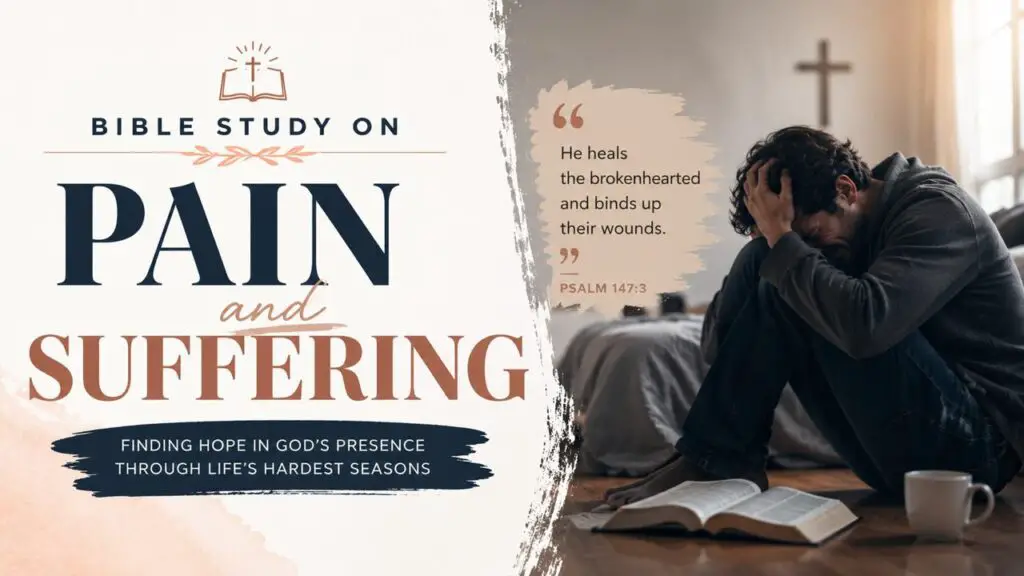
Pain and suffering are universal experiences that touch every human life. Whether it comes through illness, grief, betrayal, disappointment, loss, or emotional struggles, you have likely faced moments that left you questioning why hardship exists. Studies consistently show that emotional stress, anxiety, and feelings of hopelessness increase when suffering feels meaningless or endless. Many people silently carry wounds that affect their peace, relationships, and faith.
When suffering continues for a long time, it can lead to discouragement, isolation, fear, and even spiritual exhaustion. You may begin to wonder if God sees your struggles or if your prayers are being heard. Psychologists often observe that people who endure hardship without hope can become emotionally drained and spiritually distant. Yet suffering also has a way of revealing what truly matters and exposing the deep need for comfort, purpose, and strength beyond ourselves.
Perhaps you have experienced moments when pain felt too heavy to carry alone. You may have searched for answers, relief, or reassurance that your suffering is not wasted. The good news is that God’s Word does not ignore human pain. Throughout Scripture, you see men and women who struggled deeply, cried honestly before God, and still found hope in Him. This Bible study guide will help you understand how God works through pain and suffering and how faith can sustain you even in difficult seasons.
What You Will Learn from This Bible Study Guide on Pain and Suffering
- You will understand why pain and suffering exist in a fallen world.
- You will learn what the Bible says about God’s presence during hardship.
- You will discover how biblical characters endured suffering with faith.
- You will recognize how suffering can shape your character and spiritual growth.
- You will learn practical biblical ways to respond to pain instead of giving in to despair.
- You will see how God can use suffering for a greater purpose.
- You will be encouraged to trust God even when answers are unclear.
- You will learn how prayer and Scripture provide strength during difficult times.
Before beginning this Bible study, take a moment to seek God’s wisdom and guidance through prayer.
Short Prayer for Guidance
Heavenly Father,
Please open my heart and mind as I study Your Word about pain and suffering. Help me understand Your truth, trust Your purpose, and apply these lessons to my life each day. Give me wisdom, peace, and strength through every trial. Thank You for Your unfailing love and presence.
Amen
What Does the Bible Say About Pain and Suffering?
The Bible speaks honestly about pain and suffering. Scripture does not deny the reality of hardship, but it continually points to God’s faithfulness, comfort, and purpose through suffering.
“The Lord is close to the brokenhearted and saves those who are crushed in spirit.” — Psalm 34:18
This verse reminds you that God does not abandon you during painful moments. When your heart is broken and your spirit feels weak, God draws near with compassion and comfort.
“Consider it pure joy, my brothers and sisters, whenever you face trials of many kinds, because you know that the testing of your faith produces perseverance.” — James 1:2-3
James teaches that suffering can strengthen your faith. Trials are painful, but God can use them to build endurance, maturity, and deeper dependence on Him.
“And we know that in all things God works for the good of those who love him, who have been called according to his purpose.” — Romans 8:28
This verse does not say that all things are good, but it assures you that God can bring good even out of painful circumstances. Your suffering is never beyond His power to redeem.
“I have told you these things, so that in me you may have peace. In this world you will have trouble. But take heart! I have overcome the world.” — John 16:33
Jesus plainly acknowledged that suffering is part of life in this world. However, He also promised peace and victory through Him. Your hope is not based on circumstances but on Christ’s triumph.
“He will wipe every tear from their eyes. There will be no more death or mourning or crying or pain.” — Revelation 21:4
God’s ultimate promise is the complete end of suffering for those who belong to Him. This future hope gives strength to endure present trials with faith and expectation.
The Bible consistently teaches that pain and suffering are real parts of life in a fallen world, yet God remains present, compassionate, and purposeful through every hardship. The Bible says that God walks with you through pain and suffering, uses trials to strengthen your faith, and promises eternal hope beyond your present struggles.
Biblical Characters who Experienced Pain and Suffering
#1. Job — Job 1–2
Context
Job was known as a righteous and faithful man who honored God in every area of his life. He had a large family, great wealth, and a respected reputation in his community. Yet within a short period, Job lost nearly everything he possessed. His livestock were destroyed, his servants were killed, and all his children died in a tragic disaster. Soon after, Job was also afflicted with painful sores throughout his body.
What made Job’s suffering even more difficult was the emotional isolation he experienced. His friends wrongly assumed that his suffering must have been caused by hidden sin. Instead of comforting him, they accused and judged him. Job struggled deeply with grief, confusion, and unanswered questions about why such suffering had entered his life despite his faithfulness to God.
Pain and Suffering’s Resolve
Although Job experienced overwhelming pain, he continued turning toward God rather than completely walking away from Him. Job honestly expressed his sorrow, frustration, and confusion, yet he still acknowledged God’s authority. Even when he could not understand the reason for his suffering, he refused to curse God or abandon his faith.
Job’s endurance teaches you that faith does not require pretending that pain does not exist. Genuine faith allows you to cry out honestly before God while still trusting Him. Eventually, God reminded Job of His wisdom and sovereignty. Job learned that even when human understanding is limited, God remains trustworthy. In the end, God restored Job and blessed him abundantly, showing that suffering was not the end of his story.
What Can We Learn from Job’s Example
- You can bring your honest emotions and questions before God.
- Faith means trusting God even when answers are unclear.
- Suffering is not always a punishment for sin.
- God’s restoration and purpose can come after seasons of hardship.
#2. Joseph — Genesis 37–50
Context
Joseph experienced suffering through betrayal, injustice, and abandonment. His own brothers became jealous of him and sold him into slavery. Separated from his family and homeland, Joseph was taken to Egypt where he served faithfully in Potiphar’s house. Despite his integrity, he was falsely accused and thrown into prison.
For years, Joseph endured circumstances that seemed unfair and hopeless. He could have become bitter toward both God and people. Instead, Joseph remained faithful and diligent wherever he was placed. Even during imprisonment, God continued to work behind the scenes for a greater purpose that Joseph could not yet see.
Pain and Suffering’s Resolve
Joseph chose faithfulness over bitterness. Rather than allowing suffering to harden his heart, he trusted God’s plan throughout every setback. His patience and obedience eventually led to his promotion as a leader in Egypt, where he was used to save countless lives during a famine.
Joseph later forgave the brothers who betrayed him. He recognized that although people intended evil against him, God used those painful experiences for good. His story reminds you that God can transform seasons of suffering into opportunities for growth, healing, and blessing for others.
What Can We Learn from Joseph’s Example
- God can work through painful circumstances for a greater purpose.
- Bitterness can be replaced with forgiveness through faith.
- Faithfulness during hardship prepares you for future responsibilities.
- God’s timing often differs from your expectations.
#3. David — Psalm 6, Psalm 13, Psalm 142
Context
David experienced emotional suffering throughout many stages of his life. Although he was chosen to become king, he spent years fleeing from King Saul, who wanted to kill him. David often hid in caves, lived in fear, and felt abandoned by those around him. He also suffered because of personal failures, family conflict, and betrayal from trusted individuals.
Many of David’s psalms reveal deep emotional pain. He openly expressed feelings of fear, loneliness, sorrow, and discouragement. Yet even in moments of despair, David continued seeking God through prayer and worship. His relationship with God became stronger through suffering rather than weaker.
Pain and Suffering’s Resolve
David consistently brought his struggles before God instead of suppressing them. He cried out honestly in prayer, confessed his fears, and sought God’s guidance during difficult times. His psalms reveal a pattern of moving from despair toward renewed trust in God’s faithfulness.
Through suffering, David learned dependence on God. Trials shaped his humility, compassion, and leadership. His example teaches you that emotional honesty and faith can exist together. God is not threatened by your tears, questions, or struggles.
What Can We Learn from David’s Example
- Prayer is a powerful response to emotional suffering.
- Worship can strengthen your heart during painful seasons.
- God listens when you cry out honestly to Him.
- Suffering can deepen your dependence on God.
#4. Paul — 2 Corinthians 11:23-28
Context
The apostle Paul endured extraordinary suffering while spreading the gospel. He experienced imprisonment, beatings, rejection, shipwrecks, hunger, and constant danger. In addition to physical hardship, Paul carried emotional burdens for the churches and believers under his care.
Despite all these struggles, Paul continued preaching about Christ with courage and perseverance. He understood that following Jesus did not guarantee an easy life. Instead, he believed suffering could glorify God and strengthen believers.
Pain and Suffering’s Resolve
Paul relied on God’s grace rather than his own strength. He wrote that God’s power is made perfect in weakness. Instead of viewing suffering as proof of God’s absence, Paul saw it as an opportunity to experience God’s sustaining power more deeply.
Paul’s perspective on suffering was shaped by eternal hope. He believed temporary hardships could not compare to the glory God had prepared for believers. This eternal mindset helped him endure difficulties with joy and endurance.
What Can We Learn from Paul’s Example
- God’s strength becomes evident in your weakness.
- Suffering can become a testimony that encourages others.
- Eternal hope helps you endure temporary hardship.
- Faithfulness to God is worthwhile even through suffering.
How Does Pain and Suffering Affect Us?
#1. Pain and Suffering Can Weaken Your Emotional Strength
“Why, my soul, are you downcast? Why so disturbed within me? Put your hope in God…” — Psalm 42:11
Pain and suffering often affect your emotions deeply. You may experience sadness, anxiety, fear, frustration, or emotional exhaustion when difficulties continue for long periods. Hardship can make you feel isolated and overwhelmed, especially when answers or relief do not come quickly.
When emotional burdens remain unresolved, discouragement can slowly replace hope. You may begin questioning your purpose, your future, or even God’s presence in your life. Yet Scripture reminds you to place your hope in God even when your emotions feel unstable. God understands emotional pain and offers comfort to the weary heart.
#2. Pain and Suffering Can Challenge Your Faith
“For we live by faith, not by sight.” — 2 Corinthians 5:7
Seasons of suffering can test your trust in God. When prayers seem unanswered or circumstances worsen, you may wonder why God allows hardship to continue. Questions and doubts often become stronger during painful experiences because suffering confronts your understanding and expectations.
However, difficult seasons can also refine and strengthen your faith. Just as fire purifies gold, trials can deepen your spiritual maturity and dependence on God. Faith grows strongest not when life is easy, but when you continue trusting God despite uncertainty. Through suffering, you learn to rely on God’s character instead of your circumstances.
#3. Pain and Suffering Can Affect Your Relationships
“Carry each other’s burdens, and in this way you will fulfill the law of Christ.” — Galatians 6:2
Pain often impacts how you relate to others. Some people withdraw emotionally when suffering becomes overwhelming, while others struggle with anger, bitterness, or mistrust. Difficult experiences may create tension in marriages, friendships, families, and church communities if pain is not handled carefully.
At the same time, suffering can also strengthen relationships when people choose compassion, patience, and support. God designed believers to encourage one another during hardship. Sharing burdens with trusted people can bring healing, comfort, and renewed strength during difficult seasons.
#4. Pain and Suffering Can Produce Fear and Anxiety
“When anxiety was great within me, your consolation brought me joy.” — Psalm 94:19
Hardship often creates uncertainty about the future. Financial struggles, illness, grief, or personal loss may cause fear about what lies ahead. Anxiety grows when you feel powerless or unable to control circumstances around you.
Fear can consume your thoughts if it is left unchecked. Yet God continually reminds you not to live in fear because He remains present and faithful. Through prayer, Scripture, and trust in God’s promises, you can find peace even when situations remain difficult. God’s comfort helps calm anxious hearts during painful seasons.
#5. Pain and Suffering Can Lead to Spiritual Growth
“Not only so, but we also glory in our sufferings, because we know that suffering produces perseverance.” — Romans 5:3
Although suffering is painful, God can use it to transform your character. Difficult experiences often reveal areas where you need greater faith, humility, patience, or dependence on Him. Trials can move you beyond superficial faith into a deeper relationship with God.
Spiritual growth rarely happens through comfort alone. Pain can teach compassion, endurance, wisdom, and surrender in ways that ease never could. As you continue trusting God through hardship, your faith becomes more mature and resilient.
#6. Pain and Suffering Can Increase Your Compassion for Others
“Praise be to… the God of all comfort, who comforts us in all our troubles, so that we can comfort those in any trouble.” — 2 Corinthians 1:3-4
One powerful effect of suffering is increased empathy for others. When you experience hardship personally, you become more aware of the struggles people around you may be facing. Pain often softens your heart and helps you minister to others with greater understanding and compassion.
God can use your experiences to encourage those who feel broken or hopeless. Your testimony of endurance and faith may become a source of strength for someone else facing similar pain. Suffering does not have to make you bitter; it can make you more loving, patient, and compassionate.
How We Can Biblically Deal With Pain and Suffering
#1. Bring Your Pain Honestly Before God
God does not expect you to hide your emotions or pretend everything is fine. Throughout Scripture, many faithful believers cried out honestly to God during seasons of suffering. David openly expressed grief, fear, and confusion in the Psalms, yet he continued seeking God through prayer. You can do the same. Honest prayer creates intimacy with God because it allows you to depend on Him fully rather than carrying burdens alone. “Cast all your anxiety on him because he cares for you.” — 1 Peter 5:7 When suffering becomes overwhelming, choose prayer instead of isolation. God welcomes your tears, questions, and struggles. Bringing your pain to Him daily helps you find comfort, peace, and renewed strength during difficult seasons.
#2. Trust God Even When You Do Not Understand
One of the hardest parts of suffering is not knowing why painful things happen. You may never fully understand certain trials in this life, but Scripture reminds you that God’s wisdom is greater than human understanding. Trusting God means believing He remains good and faithful even when circumstances seem confusing. Joseph endured betrayal and injustice for years before seeing God’s greater plan unfold. In the same way, your suffering may have purposes you cannot yet see. “Trust in the Lord with all your heart and lean not on your own understanding.” — Proverbs 3:5 Faith grows strongest when you continue trusting God despite unanswered questions. His perspective is eternal, and His plans for you remain rooted in love and wisdom.
#3. Stay Rooted in God’s Word
During painful seasons, your thoughts can easily become consumed by fear, discouragement, or hopelessness. That is why staying grounded in Scripture is essential. God’s Word provides truth, comfort, guidance, and hope when emotions feel unstable. Reading and meditating on Scripture reminds you of God’s promises and character. Jesus Himself responded to hardship and temptation using God’s Word. “Your word is a lamp for my feet, a light on my path.” — Psalm 119:105 Even when you do not feel emotionally strong, continue spending time in Scripture consistently. God’s truth renews your mind and strengthens your faith over time. His promises can steady your heart when life feels uncertain or painful.
#4. Refuse to Let Bitterness Take Root
Pain can easily lead to bitterness if hurt remains unresolved. When people wound you or circumstances seem unfair, resentment may begin growing quietly in your heart. Bitterness damages your emotional and spiritual health while keeping you trapped in anger and discouragement. Scripture calls you to forgive just as God forgives you. Forgiveness does not excuse wrongdoing, but it frees your heart from being controlled by pain. Joseph chose forgiveness instead of revenge after his brothers betrayed him. “Get rid of all bitterness, rage and anger…” — Ephesians 4:31 Ask God to help you release resentment and trust Him with justice. Choosing forgiveness allows healing, peace, and spiritual freedom to grow within you.
#5. Seek Strength Through Christian Community
God never intended for you to suffer alone. During difficult seasons, isolation can deepen discouragement and emotional exhaustion. Christian community provides encouragement, accountability, prayer, and practical support when burdens feel heavy. Trusted believers can remind you of God’s truth when your own strength feels weak. Scripture repeatedly emphasizes caring for one another through hardship. “Carry each other’s burdens, and in this way you will fulfill the law of Christ.” — Galatians 6:2 Do not be afraid to ask for prayer, guidance, or support from spiritually mature people. Sometimes God brings healing and encouragement through the presence and compassion of others walking beside you during suffering.
#6. Focus on God’s Eternal Promises
Suffering often feels overwhelming because you naturally focus on present pain. However, Scripture continually points believers toward eternal hope. This world is temporary, but God’s promises are everlasting. Paul endured intense suffering because he kept his eyes fixed on eternity rather than temporary hardship. “Our light and momentary troubles are achieving for us an eternal glory that far outweighs them all.” — 2 Corinthians 4:17 Remembering God’s eternal promises gives perspective during painful seasons. One day God will remove all suffering, sorrow, and death completely. Holding onto this future hope helps you endure present difficulties with greater courage, peace, and perseverance.
#7. Continue Worshiping God Through the Pain
Worship is not only for moments of joy and victory. Worship during suffering is a powerful declaration of trust in God’s goodness despite hardship. Job worshiped even after devastating loss, and Paul praised God while imprisoned. Worship shifts your focus away from fear and onto God’s faithfulness and power. “I will praise the Lord no matter what happens.” — Psalm 34:1 Even when emotions feel heavy, choosing to worship strengthens your spirit and reminds you that God remains worthy of praise. Worship does not erase suffering immediately, but it renews your perspective and invites God’s peace into your heart.
#8. Allow Suffering to Develop Spiritual Maturity
Painful experiences can become opportunities for growth if you allow God to shape your character through them. Suffering often reveals weaknesses, unhealthy attitudes, misplaced priorities, or areas where deeper trust is needed. Instead of resisting every hardship with frustration, ask God what He wants to teach you through it. “The testing of your faith produces perseverance.” — James 1:3 God can use suffering to build patience, humility, compassion, endurance, and stronger faith within you. While suffering itself is difficult, spiritual growth often emerges from the lessons learned through hardship. God can transform painful seasons into meaningful opportunities for maturity and deeper dependence on Him.
#9. Keep Serving Others Despite Your Struggles
Suffering can naturally cause you to focus inwardly on your own pain. While rest and healing are important, continuing to serve others can bring renewed purpose and encouragement. God often uses your experiences to comfort and strengthen people facing similar struggles. Your testimony may become a source of hope for someone else. “Serve one another humbly in love.” — Galatians 5:13 Acts of kindness, encouragement, prayer, and compassion remind you that God can still work through your life even during difficult seasons. Serving others helps prevent hopelessness and keeps your heart connected to God’s greater purposes beyond your present pain.
#10. Persevere with Hope and Patience
Healing, restoration, and answers do not always come immediately. Some seasons of suffering last longer than expected, which can tempt you to give up spiritually or emotionally. Yet Scripture repeatedly encourages believers to persevere with patience and hope. God continues working even when progress feels slow or invisible. “Let us not become weary in doing good, for at the proper time we will reap a harvest if we do not give up.” — Galatians 6:9 Perseverance does not mean pretending pain does not exist. It means continuing to trust God day by day despite hardship. As you remain faithful, God strengthens your character, deepens your faith, and reminds you that suffering will not last forever.
Group Discussion Questions
- Why do you think pain and suffering are difficult for people to understand?
- Which biblical character’s experience with suffering do you relate to most and why?
- How has suffering affected your relationship with God in the past?
- What are some unhealthy ways people often respond to pain and hardship?
- How can prayer help during seasons of suffering?
- Why is trusting God difficult when suffering continues for a long time?
- What does Romans 8:28 teach about God’s purpose in suffering?
- How can Christian community help people endure difficult seasons?
- What lessons or growth can come through painful experiences?
- How does the promise of eternal life give hope during suffering?
- What practical steps can you take to encourage someone currently struggling with pain?
- How can worship strengthen your faith during hardship?
Prayer to Help Us Deal with Pain and Suffering
Dear God,
Thank You for being near to us even in our hardest moments. You see every hurt, every fear, every burden, and every tear we carry. When pain and suffering feel overwhelming, please give us strength to endure and faith to continue trusting You. Help us remember that we are never alone because Your presence surrounds us in every trial. Give us peace when anxiety rises and hope when discouragement tries to take hold of our hearts.
Teach us to lean on Your promises instead of our fears. Help us forgive, remain faithful, and continue seeking You even when life feels difficult. Use our struggles to strengthen our character and deepen our relationship with You. Comfort those who are grieving, hurting, or feeling hopeless today. Remind us that You are working for our good and that one day all suffering will end in Your eternal kingdom.
Amen
Closing Remarks
Pain and suffering are difficult realities of life, but they do not have the final word over your life. Throughout Scripture, God continually shows His faithfulness to people who endured hardship with trust and perseverance. Your struggles may feel heavy today, but God is able to strengthen, comfort, guide, and sustain you through every season. As you continue seeking Him, you will discover that suffering can deepen your faith, shape your character, and draw you closer to His presence.
Do not lose hope during difficult times. God understands your pain, and He promises never to leave you. Continue spending time in prayer, meditating on Scripture, and trusting His promises even when answers are unclear. If you want to continue learning more about God’s comfort and faithfulness during suffering, begin exploring passages such as Psalm 34, Romans 8, James 1, 2 Corinthians 4, and Revelation 21. Through God’s Word, you can find lasting hope, peace, and strength for every trial you face.