
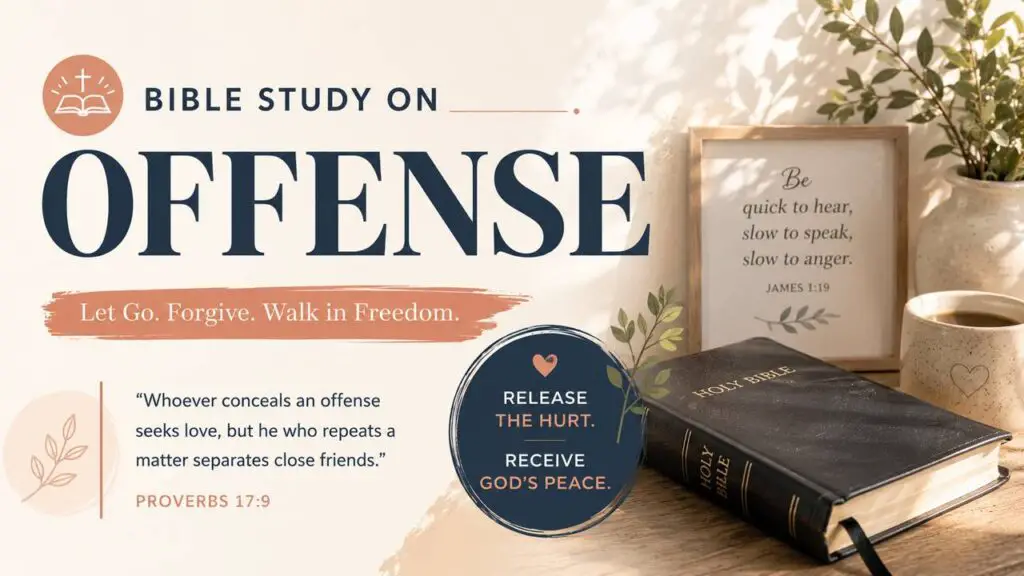
Offense is one of the most common struggles people face in relationships, families, churches, and daily life. A harsh comment, betrayal, misunderstanding, criticism, or rejection can quickly wound your heart and shape the way you think about others. Studies in psychology consistently show that unresolved emotional hurt often leads to stress, anxiety, broken relationships, bitterness, and isolation. When offense is left unchecked, it can quietly grow into resentment and affect your peace, your decisions, and even your spiritual life.
The Bible recognizes how deeply words and actions can hurt you. Scripture repeatedly warns about anger, bitterness, unforgiveness, and division because God knows how destructive offense can become when it settles into your heart. Many people carry hidden wounds for years, replaying painful moments and struggling to move forward. You may have experienced situations where someone’s actions deeply hurt you, making forgiveness feel difficult and trust feel fragile.
Yet this Bible study guide reminds you that God does not want you to remain trapped in offense. Through His Word, He teaches you how to guard your heart, respond with wisdom, walk in forgiveness, and experience healing through faith. No matter how deep the hurt may be, God offers you peace, restoration, and freedom.
What You Will Learn from This Bible Study Guide on Offense
- You will understand what the Bible teaches about offense and how it affects your heart.
- You will learn how unresolved offense can damage relationships and spiritual growth.
- You will discover biblical examples of people who faced offense and how they responded.
- You will recognize warning signs of bitterness and unforgiveness in your life.
- You will learn practical biblical ways to forgive and heal from emotional wounds.
- You will understand how God calls you to respond with grace and wisdom.
- You will be encouraged to trust God with justice instead of seeking revenge.
- You will learn how prayer and Scripture can help you overcome offense.
- You will discover how offense can become an opportunity for spiritual maturity.
- You will be reminded that God’s love empowers you to live in peace.
Before beginning this Bible study, take a moment to ask God for wisdom, humility, and understanding.
Short Prayer for Guidance
Heavenly Father,
Please open my heart and mind as I study Your Word today. Help me understand how to deal with offense in a way that honors You and brings healing into my life. Teach me to apply Your truth with humility, forgiveness, and faith. Thank You for Your wisdom, grace, and love.
Amen
What Does the Bible Say About Offense?
The Bible speaks clearly about offense, warning believers not to allow bitterness, anger, or unforgiveness to control their hearts. God calls you to pursue peace, forgiveness, humility, and love even when you have been hurt by others.
“A brother offended is harder to win than a strong city: and their contentions are like the bars of a castle.”
— Proverbs 18:19 (KJV)
This verse shows how powerful offense can become. Hurt feelings can create emotional walls that are difficult to break down. The Bible warns you to handle conflict carefully because unresolved offense damages relationships deeply.
“Looking diligently lest any man fail of the grace of God; lest any root of bitterness springing up trouble you, and thereby many be defiled.”
— Hebrews 12:15 (KJV)
Scripture teaches that offense can grow into bitterness if it is not addressed properly. Bitterness not only affects your own heart but can also influence others around you negatively.
“And be ye kind one to another, tenderhearted, forgiving one another, even as God for Christ’s sake hath forgiven you.”
— Ephesians 4:32 (KJV)
God calls you to respond differently from the world. Instead of holding onto offense, you are encouraged to forgive because God has already shown mercy and forgiveness toward you.
“It is his glory to overlook an offense.”
— Proverbs 19:11 (ESV)
This verse highlights wisdom and maturity. Not every hurt needs retaliation or prolonged anger. Sometimes spiritual strength is shown through patience, grace, and restraint.
“Then came Peter to him, and said, Lord, how oft shall my brother sin against me, and I forgive him? till seven times? Jesus saith unto him, I say not unto thee, Until seven times: but, Until seventy times seven.”
— Matthew 18:21–22 (KJV)
Jesus emphasized that forgiveness should become a lifestyle. God understands people will hurt you, but He desires your heart to remain free from bitterness and revenge.
The Bible teaches that offense is dangerous when it leads to bitterness, division, and unforgiveness, but God calls you to respond with wisdom, humility, forgiveness, and love. What does the Bible say about offense? It teaches that while offense is inevitable in life, you are called to guard your heart and choose forgiveness through God’s grace.
Biblical Characters who Experienced Offense
#1. Joseph — Betrayed by His Brothers (Genesis 37–50)
Context
Joseph experienced deep offense when his own brothers became jealous of him and sold him into slavery. Instead of supporting him, they stripped him of his robe, threw him into a pit, and deceived their father into believing Joseph had died. The betrayal came from the very people who should have loved and protected him most.
As if betrayal were not enough, Joseph later faced false accusations from Potiphar’s wife and was imprisoned unjustly. He suffered years of hardship despite trying to live faithfully before God. Humanly speaking, Joseph had every reason to become bitter, angry, and revengeful toward those who hurt him.
Offense’s Resolve
Joseph chose to trust God despite his pain. Throughout his suffering, he continued to remain faithful, hardworking, and humble. Instead of allowing offense to harden his heart, Joseph allowed God to shape his character through adversity.
When Joseph eventually rose to power in Egypt and encountered his brothers again, he chose forgiveness instead of revenge. He recognized that God had a greater purpose behind his suffering. Joseph told his brothers that although they intended evil against him, God used it for good to save many lives. His response demonstrated extraordinary spiritual maturity and trust in God’s sovereignty.
What Can We Learn from Joseph’s Example
- God can use painful offenses for a greater purpose.
- Forgiveness brings freedom and healing.
- Bitterness is not the only response to betrayal.
- Trusting God helps you endure unfair treatment.
#2. David — Offended by King Saul (1 Samuel 18–24)
Context
David faithfully served King Saul by fighting battles, playing music to comfort him, and protecting Israel. However, Saul became jealous after hearing people praise David’s victories. Saul’s insecurity quickly turned into hatred, and he repeatedly tried to kill David.
David spent years running for his life even though he had done nothing wrong. He was rejected, hunted, and falsely treated as an enemy. The emotional pain of betrayal from someone he honored and served must have been overwhelming.
Offense’s Resolve
Despite Saul’s mistreatment, David refused to take revenge. On multiple occasions, David had opportunities to kill Saul but chose restraint instead. David respected God’s authority and trusted God to handle justice in His own timing.
David poured out his pain honestly before God through prayer and worship. Many Psalms reveal his struggles, fears, and frustrations, yet he continually returned to faith and trust. Rather than allowing offense to control him, David surrendered his emotions to God.
What Can We Learn from David’s Example
- You can bring your hurt honestly before God.
- Trusting God is better than seeking revenge.
- Humility protects your heart from bitterness.
- God honors patience and self-control.
#3. Jesus — Rejected and Crucified (Isaiah 53; Matthew 26–27)
Context
Jesus experienced the deepest offense imaginable. He came to love, heal, teach, and save humanity, yet many rejected Him. Religious leaders falsely accused Him, crowds mocked Him, His disciples abandoned Him, and He endured brutal suffering on the cross.
Even though Jesus lived a completely sinless life, He was betrayed by Judas, denied by Peter, and condemned unjustly. The emotional, physical, and spiritual suffering He endured revealed the depth of human sin and rejection.
Offense’s Resolve
Jesus responded with forgiveness and compassion even while suffering. As He hung on the cross, He prayed for those crucifying Him and asked God to forgive them. Instead of retaliation, Jesus demonstrated mercy.
Christ’s response shows you the ultimate example of overcoming offense through love and obedience to God. His sacrifice opened the way for reconciliation, forgiveness, and salvation for all who believe in Him.
What Can We Learn from Jesus’ Example
- Forgiveness is possible even in deep pain.
- Love is stronger than hatred.
- God’s grace can overcome human cruelty.
- Jesus understands your emotional wounds personally.
How Does Offense Affect Us?
#1. Offense Can Produce Bitterness
“Let all bitterness, and wrath, and anger… be put away from you.” — Ephesians 4:31
When offense is not addressed properly, it often turns into bitterness. Bitter feelings can slowly poison your thoughts, emotions, and relationships. You may begin replaying painful situations repeatedly, making it difficult to move forward peacefully.
Bitterness also affects your spiritual health. It can make prayer difficult, increase anger, and create distance in relationships with others and with God. What begins as hurt can eventually become a hardened heart if left unresolved.
#2. Offense Can Damage Relationships
“Hatred stirreth up strifes: but love covereth all sins.” — Proverbs 10:12
Offense often creates emotional walls between people. Misunderstandings, harsh words, and unresolved conflicts can separate families, friendships, marriages, and churches. Relationships become strained when forgiveness is withheld.
Sometimes pride keeps people from reconciling. Instead of seeking peace, both sides remain defensive and hurt. God desires unity and healing, but offense can prevent restoration when people refuse humility and grace.
#3. Offense Can Distract You Spiritually
“And then shall many be offended… and shall hate one another.” — Matthew 24:10
When you focus constantly on your hurt, your spiritual growth may suffer. Offense can consume your thoughts and distract you from prayer, worship, service, and trust in God.
The enemy often uses offense to weaken faith and create division among believers. Instead of growing closer to God, people sometimes isolate themselves spiritually because of unresolved pain.
#4. Offense Can Lead to Unforgiveness
“For if ye forgive men their trespasses, your heavenly Father will also forgive you.” — Matthew 6:14
Offense often makes forgiveness difficult. Human nature wants justice, revenge, or acknowledgment of wrongs. However, holding onto unforgiveness keeps emotional wounds open.
Unforgiveness creates emotional bondage. While the other person may move on, you continue carrying anger and pain. God calls you to forgive not because the hurt was acceptable, but because forgiveness brings freedom.
#5. Offense Can Increase Anxiety and Emotional Stress
“A merry heart doeth good like a medicine: but a broken spirit drieth the bones.” — Proverbs 17:22
Emotional wounds from offense affect both the mind and body. Stress, anger, sadness, and resentment can increase emotional exhaustion and anxiety. Carrying offense for long periods can drain your joy and peace.
God desires emotional healing for you. His Word encourages you to release burdens to Him rather than allowing emotional pain to dominate your life continually.
#6. Offense Can Hinder Christian Witness
“By this shall all men know that ye are my disciples, if ye have love one to another.” — John 13:35
When believers remain trapped in offense, it affects how others see Christ. Constant conflict, bitterness, and division weaken the testimony of love that Jesus commanded His followers to display.
Choosing forgiveness and grace demonstrates God’s transforming power. Your response to offense can either reflect Christ’s love or reflect worldly anger and division.
How We Can Biblically Deal With Offense
#1. Guard Your Heart Carefully
The Bible teaches you to protect your heart because your attitudes and emotions influence your actions. When offense enters your heart, it can grow quickly if ignored. Pay attention to resentment, anger, or bitterness before they take root deeply. Spend time in prayer and self-examination regularly.
“Keep thy heart with all diligence; for out of it are the issues of life.” — Proverbs 4:23
Guarding your heart means refusing to feed offense with constant negative thoughts. Instead, focus on God’s truth, grace, and wisdom. Ask God to help you respond with maturity rather than emotional reactions.
#2. Choose Forgiveness Daily
Forgiveness is often a process rather than a single moment. You may need to surrender the hurt repeatedly to God, especially when painful memories return. Biblical forgiveness does not ignore wrongdoing, but it releases the desire for revenge and places justice in God’s hands.
“Forgiving one another, even as God for Christ’s sake hath forgiven you.” — Ephesians 4:32
Remembering God’s mercy toward you strengthens your ability to forgive others. Forgiveness frees your heart from emotional bondage and opens the door for healing and peace.
#3. Pray for Those Who Hurt You
Praying for someone who offended you may feel difficult, but it transforms your heart over time. Prayer softens anger and helps you see people through God’s perspective. Jesus specifically commanded believers to pray for those who mistreat them.
“Pray for them which despitefully use you.” — Luke 6:28
As you pray, God can replace bitterness with compassion and wisdom. Prayer also prevents offense from controlling your thoughts and emotions. Instead of replaying pain constantly, you begin surrendering the situation to God.
#4. Refuse to Seek Revenge
Human nature often wants retaliation after being hurt. However, the Bible warns against revenge because it usually produces more pain and conflict. God alone sees every detail fully and judges perfectly.
“Vengeance is mine; I will repay, saith the Lord.” — Romans 12:19
Choosing not to retaliate demonstrates trust in God’s justice. It also protects your heart from becoming consumed by anger. Peace grows when you allow God to handle what you cannot control.
#5. Pursue Humility
Pride often intensifies offense. Sometimes people become deeply hurt because they focus only on their own perspective and refuse reconciliation. Humility allows you to listen, communicate peacefully, and seek understanding.
“With humility comes wisdom.” — Proverbs 11:2
Humility does not mean allowing abuse or pretending hurt does not matter. Instead, it means approaching situations with grace, patience, and openness to God’s guidance.
#6. Renew Your Mind with Scripture
Offense becomes stronger when negative thoughts dominate your thinking. God’s Word helps renew your mind and redirect your focus toward truth, hope, and healing. Regular Bible study strengthens your spiritual perspective during emotional struggles.
“Be transformed by the renewing of your mind.” — Romans 12:2
Meditating on Scripture reminds you of God’s promises, His forgiveness, and His wisdom. The more your mind is filled with truth, the less control offense has over your emotions.
#7. Seek Peace Whenever Possible
God values reconciliation and peace. While not every relationship can be fully restored, believers are called to pursue peace whenever possible. Honest conversations, apologies, and forgiveness often help heal damaged relationships.
“If it be possible, as much as lieth in you, live peaceably with all men.” — Romans 12:18
Seeking peace requires courage and maturity. It may involve difficult conversations, patience, and humility, but God honors efforts toward reconciliation and unity.
#8. Trust God with Your Pain
Sometimes healing from offense takes time. Certain wounds run deeply, especially when betrayal or rejection comes from people you trusted. During those moments, you must continually place your pain into God’s hands.
“Casting all your care upon him; for he careth for you.” — 1 Peter 5:7
God understands your hurt completely. He sees every injustice and every tear. Trusting Him does not erase the pain instantly, but it allows His comfort, wisdom, and healing to work in your life gradually.
Group Discussion Questions
- Why do you think offense is so common in human relationships?
- How can unresolved offense affect your spiritual life?
- Which Bible character’s experience with offense relates most to you and why?
- Why is forgiveness often difficult even for believers?
- What practical steps can help you release bitterness?
- How does prayer help when dealing with emotional hurt?
- What is the difference between forgiveness and trusting someone again?
- How can offense create division within churches and families?
- What does Jesus’ example teach you about responding to offense?
- How can you guard your heart from becoming bitter?
Prayer to Help Us Deal with Offense
Dear God,
Thank You for loving me even when my heart feels wounded and overwhelmed. You know every hurt, disappointment, betrayal, and painful memory that I carry. Please help me not to allow offense to grow into bitterness, anger, or unforgiveness. Teach me to respond with wisdom, humility, and grace even when it is difficult. Give me strength to forgive those who have hurt me and courage to trust You with justice and healing.
Lord, soften my heart and renew my mind through Your Word. Help me release resentment and choose peace instead of revenge. Fill me with Your love so that my life reflects the character of Christ. Heal broken relationships according to Your will and help me walk in freedom, joy, and spiritual maturity each day. Thank You for Your mercy, patience, and constant presence in my life.
Amen
Closing Remarks
Offense is something every person will face, but it does not have to control your life. God’s Word teaches you that while hurt is real, bitterness and unforgiveness do not have to become your permanent condition. Through prayer, humility, forgiveness, and trust in God, you can experience healing and peace even after painful experiences. As you continue growing spiritually, you will discover that God can use difficult situations to strengthen your faith and shape your character.
Continue seeking wisdom through Scripture and allow God to guide your heart daily. If you want to study this topic further, begin exploring passages such as Ephesians 4:31–32, Matthew 18:21–35, Romans 12:17–21, Hebrews 12:14–15, and Colossians 3:12–14. As you meditate on these verses, you will learn more about forgiveness, peace, grace, and the freedom God desires for your life.