
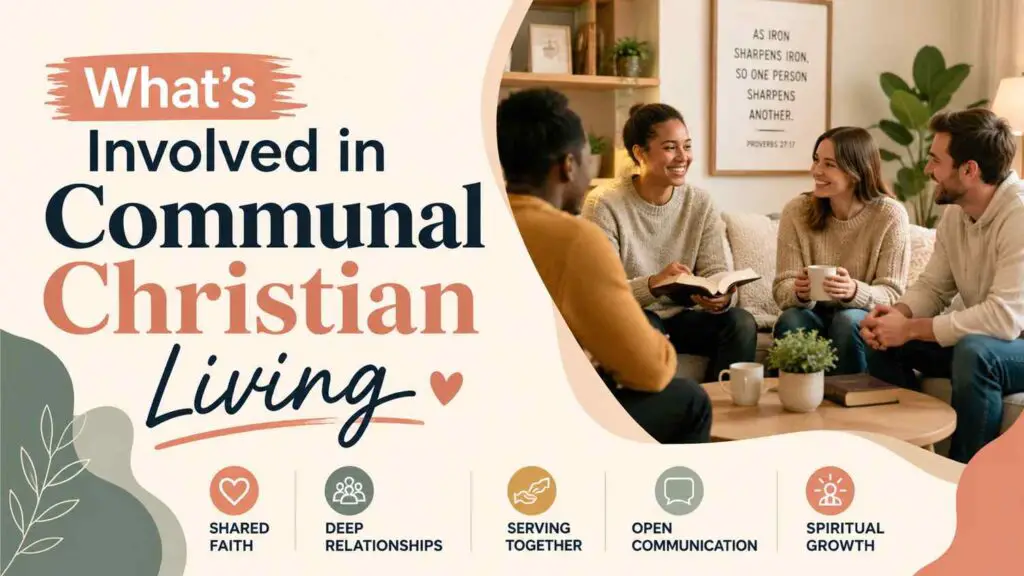
Communal Christian living is a shared way of life where believers intentionally live out their faith together, not just in church gatherings but in daily relationships and responsibilities. It reflects the early Christian model seen in the book of Acts, where followers of Christ worshipped together, shared resources, supported one another, and grew spiritually as one body. This kind of living emphasizes unity, accountability, and mutual care. It is not just about proximity but about commitment—choosing to walk alongside others in faith, discipline, and service. In today’s world, it helps believers overcome isolation and grow stronger through shared spiritual and practical life.
What’s Involved in Communal Christian Living
#1. Shared Worship Life
Shared worship forms the spiritual center of communal Christian living. It includes regular gatherings for prayer, singing, Scripture reading, and teaching that keeps everyone grounded in the same biblical truth. Worship is not limited to Sunday services; it can happen in homes, small groups, or informal gatherings throughout the week. This consistency builds spiritual rhythm and unity. It also helps members stay focused on God rather than personal distractions. Practical structure often includes rotating leaders, group participation, and open sharing of reflections from Scripture. Over time, this creates a strong spiritual foundation where faith is reinforced collectively, not individually.
#2. Fellowship and Relationship Building
Fellowship is the daily expression of Christian unity through real relationships. It goes beyond greetings or scheduled meetings and involves sharing meals, conversations, and life experiences. Members intentionally spend time together to build trust and understanding. This creates emotional safety where people can speak honestly about struggles and victories. Regular small group interactions help deepen connections and prevent isolation. Activities like shared meals, group discussions, or simple visits strengthen bonds. Over time, fellowship builds a sense of family where people are not just church members but closely connected believers who support each other in both faith and personal life.
#3. Mutual Care and Support
Mutual care ensures that no one in the community is left alone during hardship. It includes practical help such as providing food, financial assistance, transportation, or emotional support during crises. Members also visit the sick, comfort grieving families, and support those facing unemployment or personal struggles. Needs are shared openly so others can respond quickly and effectively. Many communities organize support systems where members rotate responsibilities or contribute to shared funds. This creates a culture where care is normal and expected, not occasional. It reflects a lived understanding that every member’s well-being matters to the entire community.
#4. Shared Spiritual Growth
Shared spiritual growth means learning and developing faith together through structured study and discussion. Instead of learning in isolation, members engage in Bible studies, discipleship groups, and mentoring relationships. This allows deeper understanding through questions, shared insights, and real-life application of Scripture. Mature believers guide newer ones, helping them build strong foundations in doctrine and practice. Communities often use reading plans or study themes to keep everyone aligned. This shared approach ensures consistent growth and prevents spiritual confusion. It also strengthens unity as everyone develops faith together, learning not only from teachers but from each other’s experiences and reflections.
#5. Accountability in Faith
Accountability is a key part of communal Christian living, helping members stay faithful in both belief and behavior. It involves trusted relationships where individuals regularly share their spiritual progress, struggles, and temptations. This is not about judgment but about support and guidance. When someone struggles, correction is given privately, respectfully, and with the goal of restoration. Accountability partners or small groups encourage consistency in prayer, Bible reading, and daily conduct. This structure helps prevent hidden struggles from growing unnoticed. It also builds honesty and responsibility, ensuring that spiritual growth is active, intentional, and supported by a caring community.
#6. Service to One Another
Service is expressed through practical acts that meet daily needs within the community. Members help with cooking, cleaning, organizing events, teaching, or offering technical and administrative support. Everyone contributes based on their abilities, ensuring that responsibilities are shared fairly. Service schedules or volunteer rotations are often used to manage tasks effectively. This builds cooperation and removes the burden from a few individuals. More importantly, it develops humility and a mindset of putting others first. In communal Christian living, service is not optional—it is a normal expression of love that keeps the community functioning smoothly and harmoniously.
#7. Corporate Prayer
Corporate prayer is when the community prays together with shared focus and intention. These gatherings include thanksgiving, confession, intercession, and seeking guidance for decisions affecting the group. Members take turns leading prayer or sharing prayer requests, creating participation from everyone. This practice strengthens unity by aligning hearts and thoughts toward God’s will. It also builds spiritual discipline and dependence on God as a community rather than as individuals. Regular group prayer helps members feel supported in their struggles and encouraged in their faith. Over time, it shapes the direction and decisions of the entire community through shared spiritual discernment.
#8. Sharing Resources
Sharing resources means using personal and collective possessions to support the needs of others. This includes food, money, skills, tools, and time. Members voluntarily contribute when someone is in need or when the community has shared goals. Some groups maintain common funds or organize giving systems for emergencies and projects. Transparency and trust are essential so that resources are used wisely and fairly. This practice reduces financial stress among members and ensures that no one is left without help. It also teaches generosity and detachment from material possessions, reinforcing the belief that resources are meant to serve people, not isolate them.
#9. Conflict Resolution and Forgiveness
Conflict is natural in close community life, so resolving disagreements quickly and peacefully is essential. Members are encouraged to address issues directly rather than allowing resentment to grow. Honest conversation, active listening, and humility are key steps in resolving misunderstandings. When needed, leaders or mediators help guide discussions toward reconciliation. Forgiveness is a central principle, ensuring that relationships are restored rather than broken. Gossip and division are discouraged because they damage unity. This approach strengthens relationships over time by building trust and emotional maturity. It teaches members how to handle disagreement in a way that preserves peace and community strength.
#10. Evangelism and Outreach Together
Communal Christian living extends beyond internal fellowship into shared mission and outreach. Members work together to share the gospel, serve local communities, and support those in need. This can include organizing charity events, visiting neighborhoods, helping the poor, or participating in mission efforts. Tasks are divided based on strengths such as teaching, logistics, or hospitality. Working together in outreach strengthens unity within the group while also impacting the wider community. It allows faith to be expressed through action, not just belief. Over time, this shared mission gives purpose to communal life and reflects Christ’s call to serve others.
Closing Thoughts
Communal Christian living is a practical expression of faith that transforms belief into shared life. It is built on worship, service, accountability, and deep relationships that shape how believers grow together. While it requires patience, humility, and constant effort, it produces a strong and supportive spiritual environment. Members learn to care for one another, resolve conflicts peacefully, and serve with purpose. It also strengthens faith by removing isolation and replacing it with consistent encouragement and guidance. In essence, communal living reflects the biblical vision of unity in Christ, where believers function as one body working together in love, truth, and shared mission.