
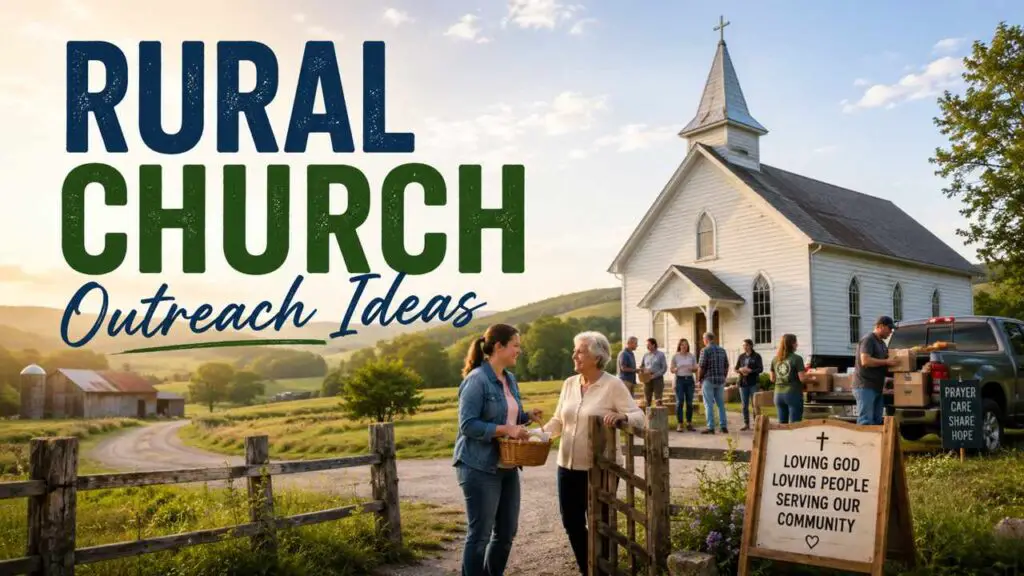
Rural churches play a vital role in strengthening communities, supporting families, and creating meaningful connections in areas where relationships matter deeply. While rural congregations may face unique challenges such as smaller populations, limited budgets, and geographic distance, they also have incredible opportunities to make a lasting impact through intentional outreach.
Effective rural church outreach is not about large productions or expensive programs. It is about meeting real needs, building trust, and showing consistent care for the people in the community. Whether your church serves a farming town, a mountain community, or a small countryside neighborhood, creative outreach efforts can help your ministry grow spiritually and relationally.
Rural Church Outreach Ideas
#1. Host a Community Meal Night
Community meal nights are one of the most practical and affordable outreach ideas for rural churches because food naturally brings people together. A monthly dinner creates a comfortable setting where church members and local residents can connect without pressure or formality.
To organize a successful meal night, choose a consistent day each month so the community knows when to expect it. Many churches find success with Friday evening dinners, Saturday breakfasts, or Sunday lunches after service. Keep the menu simple and affordable with options like chili, spaghetti, tacos, barbecue, or breakfast buffets.
Encourage church members to volunteer in different roles such as cooking, setup, cleanup, greeting guests, and serving food. Instead of making the event feel overly structured, focus on hospitality and conversation. Place volunteers at tables to intentionally connect with visitors and help people feel included.
You can also expand the event by adding family-friendly activities like board games, children’s crafts, live music, or seasonal themes. During holidays, consider hosting Thanksgiving dinners, Easter brunches, or Christmas gatherings for families who may not have local relatives nearby.
The key to success is consistency. Over time, regular meal nights build trust and help people view the church as a welcoming and caring presence in the community.
#2. Start a Farm and Ranch Prayer Ministry
Agriculture is often the heart of rural communities, and farmers face unique emotional, financial, and physical pressures throughout the year. A farm and ranch prayer ministry allows churches to directly support the people who sustain the local economy.
Begin by identifying farmers, ranchers, and agricultural workers within your church and surrounding area. Create a small volunteer team willing to regularly pray for local families and visit farms when appropriate. These visits do not need to be long or formal. Often, a short conversation and sincere prayer can mean a great deal.
Planting and harvest seasons are ideal times for outreach because stress levels are usually highest. Churches can also organize practical support efforts during difficult seasons such as droughts, floods, or equipment breakdowns. Providing meals during harvest, helping with childcare, or assisting elderly farmers with maintenance tasks can create meaningful relationships.
Another effective idea is hosting an annual “Blessing of the Farms” service where the church publicly prays for local agriculture, safety, weather conditions, and financial provision. This type of event demonstrates that the church understands the realities of rural life and genuinely values the people in the agricultural community.
#3. Organize a Mobile Food Pantry
Food insecurity can be a hidden struggle in rural areas because families often live far apart and access to grocery stores may be limited. A mobile food pantry helps churches bring assistance directly to those who need it most.
Start by partnering with a regional food bank, grocery store, or local nonprofit organization. Many organizations are willing to donate canned goods, produce, bread, and household essentials to churches serving underserved communities.
Choose a reliable distribution schedule such as once or twice per month. Churches can use trailers, church vans, or volunteer trucks to transport food into remote neighborhoods, trailer parks, or small towns that lack resources.
In addition to food distribution, train volunteers to interact with people compassionately and respectfully. Offer prayer when appropriate and provide information about additional community resources. Some churches also include hygiene products, baby supplies, blankets, or school snacks in their outreach efforts.
Promoting the pantry through local schools, community bulletin boards, Facebook groups, and word-of-mouth helps increase awareness. The goal is not only to meet physical needs but also to build ongoing relationships with families in the community.
#4. Offer Free Home Repair Projects
Many rural residents, especially seniors and low-income families, struggle to maintain their homes due to financial limitations or physical health challenges. Churches can make a significant impact by organizing volunteer-based home repair ministries.
Start by creating a list of practical services your church can realistically provide. Common projects include mowing lawns, painting houses, building wheelchair ramps, repairing steps, cleaning gutters, fixing fences, and weatherproofing homes before winter.
Form volunteer teams based on skill levels. Some members may have construction or electrical experience, while others can assist with cleanup, landscaping, or supply organization. Safety should always be a priority, so establish clear guidelines and avoid projects that require licensed professionals unless qualified volunteers are available.
One effective strategy is hosting a “Serve Your Neighbor Day” once or twice each year where multiple projects are completed throughout the community over a weekend. Churches can ask residents to submit requests in advance and prioritize families with the greatest needs.
Providing free repairs demonstrates practical compassion and often opens doors for long-term relationships and ministry opportunities. Many people are deeply moved when they see a church willing to serve without expecting anything in return.
#5. Create a Youth Sports and Activity Program
Rural communities often have fewer recreational opportunities for children and teenagers compared to larger cities. Churches can help fill this gap by offering sports leagues, outdoor programs, and youth activities that provide mentorship and positive social interaction.
Start small with activities your church can manage effectively. Basketball nights, volleyball tournaments, fishing outings, hiking trips, and summer camps are all excellent options for rural settings. If your church has outdoor property, consider creating spaces for games, bonfires, or seasonal events.
Recruit volunteers who genuinely enjoy working with young people. Coaches and leaders should focus on encouragement, teamwork, and relationship-building rather than competition alone. Offering free or low-cost participation helps ensure that all families can be involved regardless of financial situation.
Including short devotionals, prayer opportunities, or mentorship discussions allows the church to naturally integrate faith into the program without making activities feel forced or overly formal.
Parents often become connected to the church through their children’s involvement, making youth outreach one of the most effective long-term ministry investments for rural churches.
#6. Launch a Community Garden
A community garden is a practical outreach ministry that promotes fellowship, food security, and shared responsibility. Churches with unused land can transform it into a valuable resource for the entire community.
Begin by selecting a manageable garden size and gathering volunteers willing to help prepare the land. Raised garden beds are often easier to maintain and more accessible for elderly participants. Focus on growing vegetables and fruits that are commonly used by local families such as tomatoes, beans, potatoes, cucumbers, peppers, and squash.
Invite community members to participate in planting, watering, weeding, and harvesting throughout the season. Some churches assign garden plots to individual families, while others maintain the entire garden collectively and distribute produce as needed.
The garden can also become a gathering place for fellowship and conversation. Consider hosting gardening workshops, family workdays, or harvest celebrations to encourage community involvement.
Produce from the garden can support local food pantries, senior citizens, struggling families, or community meal programs. Beyond providing food, a community garden helps strengthen relationships and gives people a sense of ownership and connection.
#7. Hold Outdoor Worship and Music Events
Outdoor events often feel more approachable and comfortable for people who may hesitate to attend a traditional church service. Rural communities especially appreciate gatherings that celebrate local culture, music, and fellowship.
Churches can organize outdoor worship nights in parks, open fields, barns, fairgrounds, or church parking lots. Simple setups with acoustic worship music, testimonies, and short messages often work better than large productions in rural environments.
Music-centered events such as bluegrass concerts, gospel singings, or community hymn nights can attract people from across the area. Local musicians are often eager to participate and help create a welcoming atmosphere.
To increase attendance, include family-friendly activities such as food trucks, cookouts, bounce houses, hayrides, or children’s games. Seasonal events like fall festivals or summer picnics also work well as outreach opportunities.
Promote events through flyers, local radio stations, social media groups, and community bulletin boards. Outdoor gatherings create natural opportunities for relationship-building while helping the church become more visible and accessible within the community.
#8. Provide Transportation Assistance
Transportation challenges are common in rural areas where residents may live many miles from stores, churches, schools, or medical facilities. Churches can meet a major practical need by organizing volunteer transportation ministries.
Begin by identifying trusted church members who are willing to drive community members to appointments, grocery stores, or church events. Establish clear scheduling systems, safety procedures, and communication guidelines to ensure reliability and accountability.
Church vans can be especially helpful for transporting seniors or large groups. If your church does not own a vehicle, volunteers can use personal vehicles after confirming proper insurance coverage and safety standards.
In addition to medical appointments, transportation ministries can support students attending youth programs, parents needing assistance with errands, or elderly individuals who feel isolated due to mobility limitations.
A transportation ministry often creates opportunities for meaningful conversations and long-term friendships during travel time. For many rural residents, reliable transportation can dramatically improve both quality of life and emotional well-being.
#9. Start a Weekly Coffee and Conversation Gathering
Loneliness and social isolation affect many people in rural communities, particularly retirees, widows, widowers, and individuals living alone. A weekly coffee and conversation gathering provides a simple but highly effective outreach opportunity.
Choose a comfortable meeting space within the church such as a fellowship hall or café area. Offer coffee, tea, pastries, and light snacks to create a relaxed environment. Consistency matters, so hold the gathering at the same time each week.
Volunteers should intentionally welcome newcomers and encourage conversation among attendees. Some churches include optional devotional readings or prayer times, while others focus primarily on fellowship and relationship-building.
You can also invite guest speakers to discuss practical topics relevant to rural life such as gardening, financial planning, health care, emergency preparedness, or local history. These educational elements help attract community participation.
Over time, regular gatherings help build trust and create deeper connections between church members and local residents. Many people who attend casual fellowship events eventually become open to participating in additional church activities and ministries.
#10. Support Local Schools and Teachers
Schools are often central gathering places in rural communities, making educational support one of the most strategic outreach opportunities for churches.
Start by meeting with school administrators to identify practical needs. Teachers frequently need classroom supplies, snacks for students, volunteer support, or appreciation events throughout the year.
Churches can organize school supply drives before each academic year and distribute backpacks filled with notebooks, pencils, folders, and hygiene products. Hosting teacher appreciation breakfasts or providing small gift baskets can also encourage educators who often work under stressful conditions.
Mentorship programs are another valuable outreach option. Responsible church volunteers can tutor students, read with children, or assist with after-school activities. Scholarships for graduating seniors also demonstrate long-term investment in the local community.
By consistently supporting schools and educators, churches strengthen their reputation as trusted community partners while positively impacting local families.
#11. Develop an Emergency Response Ministry
Rural communities are often vulnerable to natural disasters, severe weather, power outages, and emergency situations where immediate assistance is limited. Churches can become vital sources of support by preparing emergency response ministries.
Begin by organizing a volunteer response team trained to assist during local emergencies. Volunteers can help distribute supplies, clear fallen trees, provide temporary shelter, prepare meals, or check on vulnerable residents after storms or disasters.
Create partnerships with local emergency management agencies, fire departments, and relief organizations to better coordinate response efforts. Churches can also store emergency supplies such as bottled water, flashlights, blankets, generators, nonperishable food, and first-aid kits.
Communication plans are essential in rural areas where internet or phone service may become unreliable during emergencies. Churches can establish phone trees, radio communication systems, or local contact networks to stay connected with community members.
When churches respond quickly and compassionately during difficult times, they build tremendous trust within the community and demonstrate the love of Christ through practical action.
Closing Thoughts
Successful rural church outreach focuses on relationships, consistency, and serving genuine community needs. Churches do not need large budgets or massive congregations to make a meaningful impact. Simple acts of kindness, practical service, and authentic connection can transform both the church and the surrounding community.
By implementing creative rural church outreach ideas, congregations can strengthen relationships, grow spiritually, and become a trusted source of hope and support. The most effective outreach ministries are rooted in love, humility, and a sincere desire to serve others well.