
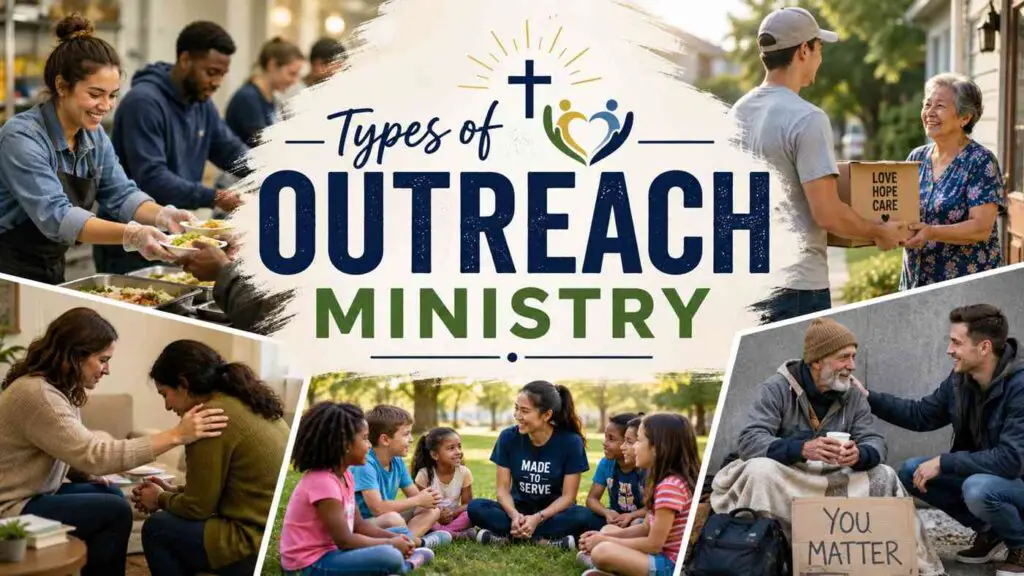
Outreach ministry plays a vital role in helping churches connect with their communities, meet practical needs, and share hope with people from all walks of life. Whether serving locally or globally, outreach ministries create opportunities for compassion, evangelism, discipleship, and meaningful relationships. Churches of every size can benefit from developing outreach programs that reflect their mission and values.
Strong outreach ministries not only support people in difficult circumstances but also help congregations live out their faith in practical ways. From feeding the hungry to mentoring youth, outreach ministries can transform both communities and church members alike.
Types of Outreach Ministry
#1. Community Food Pantry Ministry
A community food pantry ministry provides groceries and essential supplies to families facing food insecurity. This type of ministry is one of the easiest and most practical ways for churches to serve their local communities because the need for food assistance exists in nearly every area.
To start a food pantry ministry, churches should first identify the needs in their community by contacting local schools, shelters, and nonprofit organizations. Once the need is confirmed, church leaders can organize donation drives for nonperishable food items, hygiene products, diapers, and household supplies.
Successful food pantry ministries usually include:
- A dedicated storage and distribution area
- Volunteers to sort, organize, and distribute supplies
- Scheduled distribution days and times
- Partnerships with grocery stores or food banks
- Prayer teams to encourage visitors
Churches can also expand their ministry by offering hot meals, holiday food baskets, nutrition classes, or job resource information. The goal is not only to provide food but also to create a welcoming environment where people feel cared for and respected.
#2. Prison Outreach Ministry
Prison outreach ministries focus on serving incarcerated individuals and helping them experience hope, personal growth, and spiritual transformation. Many inmates struggle with loneliness, guilt, addiction, and broken family relationships, making prison ministry an important form of outreach.
Churches interested in prison ministry can begin by partnering with local correctional facilities to understand volunteer requirements and security procedures. Volunteers may participate in:
- Bible studies and worship services
- One-on-one mentorship programs
- Letter-writing encouragement ministries
- Reentry support for released inmates
- Family support programs for spouses and children
An effective prison outreach ministry also includes follow-up support after release. Churches can help former inmates find employment opportunities, housing resources, counseling, and healthy community connections to reduce the likelihood of returning to prison.
Consistency is essential in prison ministry because trust is built over time through reliable relationships and compassionate support.
#3. Homeless Shelter Ministry
Homeless shelter ministries provide assistance to people experiencing homelessness by meeting both immediate and long-term needs. This outreach ministry can include meals, temporary shelter, clothing distribution, hygiene kits, transportation assistance, and emotional support.
Churches can begin this ministry by partnering with local shelters or creating outreach teams that regularly visit homeless communities. Volunteers can organize:
- Weekly meal services
- Clothing drives
- Shower and laundry assistance
- Resume-building workshops
- Transportation to appointments or shelters
One important aspect of homeless outreach is relationship-building. Rather than simply distributing supplies, volunteers should take time to listen, learn people’s stories, and offer encouragement and prayer.
Churches with additional resources may also provide transitional housing programs, financial literacy classes, or employment mentorship opportunities to help individuals move toward long-term stability.
#4. Hospital and Nursing Home Visitation Ministry
Hospital and nursing home visitation ministries focus on caring for individuals who may feel isolated, sick, elderly, or emotionally discouraged. Many people in hospitals and long-term care facilities deeply appreciate companionship and spiritual encouragement during difficult times.
Churches can organize visitation teams trained to provide compassionate conversation, prayer, and emotional support. Volunteers may:
- Visit patients regularly
- Deliver cards or care packages
- Read scripture or devotional materials
- Pray with patients and families
- Host worship services in nursing homes
Training volunteers is important because hospital visits often involve sensitive emotional situations. Volunteers should learn how to listen well, respect privacy, and offer comfort without overwhelming individuals.
A strong visitation ministry helps people feel remembered and valued, especially those who may not have nearby family or regular visitors.
#5. Youth and Teen Outreach Ministry
Youth and teen outreach ministries help churches connect with younger generations through mentorship, education, recreation, and spiritual guidance. Many teenagers face challenges related to peer pressure, mental health, family instability, and identity, making positive mentorship extremely valuable.
Churches can create youth outreach programs by offering:
- After-school tutoring programs
- Sports leagues or recreational activities
- Leadership development workshops
- Bible studies and small groups
- Music, arts, or creative programs
Consistency and authenticity are critical when working with youth. Young people respond best to leaders who genuinely care about their lives and create safe environments where they feel accepted.
Churches may also partner with schools and community centers to identify areas where teens need support. Providing meals, transportation, scholarships, or counseling referrals can make outreach programs even more impactful.
#6. Street Evangelism Ministry
Street evangelism ministries focus on reaching people outside traditional church settings by engaging directly with communities in public spaces. This ministry may include prayer walks, public worship events, personal conversations, or acts of service in parks, neighborhoods, and city streets.
Churches can organize outreach teams that:
- Offer free prayer to strangers
- Hand out food, water, or care packages
- Invite people to church events
- Share faith testimonies respectfully
- Build ongoing relationships within the community
Effective street evangelism should prioritize compassion and genuine connection rather than confrontation. Listening respectfully and meeting practical needs often opens the door for deeper spiritual conversations.
Training volunteers in communication skills, cultural sensitivity, and conflict management can help outreach teams interact more effectively with diverse groups of people.
#7. Addiction Recovery Support Ministry
Addiction recovery ministries help individuals struggling with substance abuse, alcoholism, and other addictive behaviors. These ministries provide safe, supportive environments where people can pursue healing, accountability, and spiritual growth.
Churches can launch recovery ministries by offering:
- Weekly support group meetings
- Faith-based recovery programs
- Counseling referrals
- Mentorship and accountability partnerships
- Family support groups
Recovery ministries should emphasize confidentiality, compassion, and nonjudgmental support. Volunteers and leaders benefit from training in addiction awareness and trauma-informed care to better understand the challenges participants face.
Many successful recovery ministries also provide practical assistance such as transportation, employment guidance, housing referrals, and life-skills training. Long-term support is often necessary because recovery is an ongoing process rather than a quick solution.
#8. International Missions Outreach Ministry
International missions ministries focus on serving communities around the world through humanitarian aid, church planting, disaster relief, medical care, education, and evangelism.
Churches can support international outreach by:
- Sponsoring missionaries
- Organizing mission trips
- Funding clean water projects
- Providing school supplies and medical aid
- Supporting orphanages and community programs
Before launching international missions efforts, churches should research reputable mission organizations and develop long-term partnerships with local leaders in the communities they serve.
Short-term mission trips should prioritize service, humility, and cultural respect rather than tourism or self-promotion. Effective international ministry works best when churches collaborate with local communities to meet actual needs in sustainable ways.
#9. Single Parents Support Ministry
Single parent outreach ministries provide practical, emotional, and spiritual support for individuals raising children on their own. Single parents often face financial pressure, emotional exhaustion, childcare challenges, and feelings of isolation.
Churches can create meaningful support programs by offering:
- Free childcare during church events
- Parenting workshops and support groups
- Financial planning classes
- Meal assistance programs
- Mentorship and counseling opportunities
One of the most valuable aspects of this ministry is creating community. Single parents benefit greatly from supportive relationships and environments where they feel understood rather than judged.
Churches can also organize volunteers to assist with transportation, home repairs, tutoring, or emergency support when families face unexpected difficulties.
#10. Online and Social Media Outreach Ministry
Online outreach ministries use digital platforms to reach people through social media, websites, podcasts, live streams, videos, and online communities. As technology continues to shape communication, digital ministry has become one of the most effective ways to connect with people beyond church walls.
Churches can develop online outreach ministries by creating:
- Weekly devotional content
- Live-streamed worship services
- Prayer request groups
- Encouraging social media posts
- Educational videos and podcasts
Consistency is essential for online ministry success. Churches should create content schedules and assign volunteers to manage engagement, respond to messages, and maintain online communities.
Digital outreach works especially well for reaching people who may feel uncomfortable attending church in person, including younger audiences, busy families, and individuals exploring faith privately.
Benefits of Outreach Ministry
Outreach ministries strengthen communities while helping churches fulfill their mission of service and compassion. Effective outreach programs can:
- Build stronger community relationships
- Meet physical, emotional, and spiritual needs
- Encourage volunteerism and leadership development
- Increase church engagement and visibility
- Create opportunities for discipleship and evangelism
- Foster unity within the congregation
Churches that actively participate in outreach often experience deeper connections both within the congregation and throughout the surrounding community.
How to Start an Outreach Ministry
Starting an outreach ministry begins with identifying the needs within your local community. Church leaders can conduct surveys, partner with local organizations, and speak directly with community members to determine where support is most needed.
Successful outreach ministries typically include:
- A clear mission and vision
- Dedicated volunteers and leadership
- Consistent communication and planning
- Community partnerships
- Prayer and spiritual support
- Sustainable funding or donations
Even small churches can create meaningful outreach opportunities by focusing on one area of need and growing gradually over time.
Closing Thoughts
Outreach ministry is an essential part of serving others and demonstrating faith through action. Whether focused on local communities, global missions, youth programs, or digital outreach, every ministry has the potential to make a lasting impact.
By understanding the different types of outreach ministry, churches can identify opportunities to serve more effectively and reach people with compassion, hope, and practical support. Strong outreach efforts not only change lives but also strengthen the church’s connection to the community it serves.