
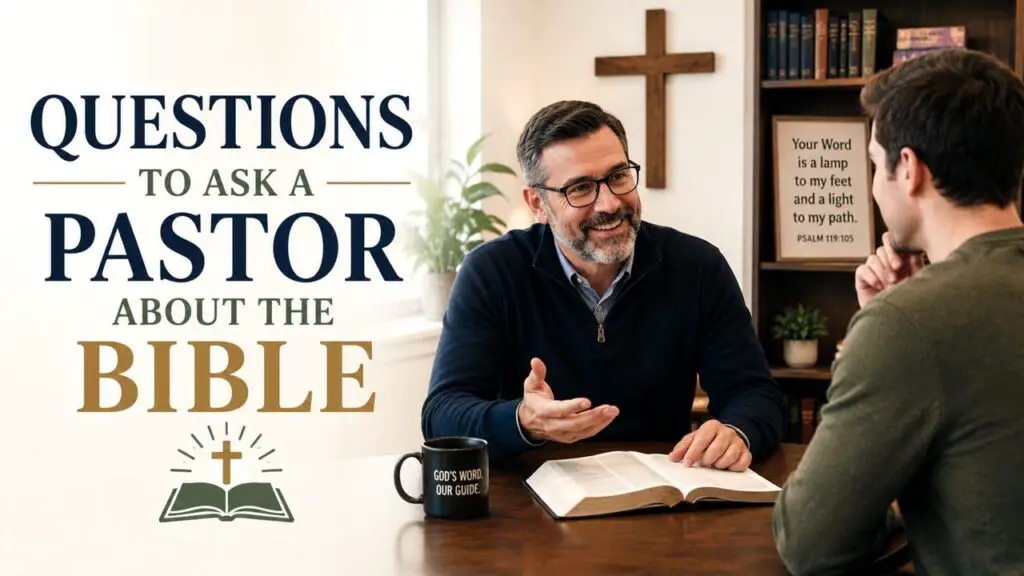
The Bible is one of the most influential books in history, yet it can also be one of the most challenging to fully understand. Many Christians and seekers alike have questions about Scripture, its teachings, and how it applies to everyday life. Pastors are often valuable resources for guidance because they spend years studying biblical principles, theology, and spiritual leadership.
Asking thoughtful questions can deepen faith, clarify confusing passages, and strengthen spiritual growth. Whether someone is new to Christianity or has studied the Bible for years, meaningful conversations with a pastor can open the door to greater understanding and wisdom.
Questions to Ask a Pastor About the Bible
1. What Is the Main Message of the Bible?
This question helps uncover the overarching theme of Scripture. A pastor can explain how the Bible points to God’s relationship with humanity and the message of salvation through Jesus Christ.
2. How Should Difficult Bible Passages Be Interpreted?
Some verses can seem confusing or even contradictory. Asking a pastor about interpretation methods can provide insight into historical context, literary style, and biblical meaning.
3. Why Are There Different Bible Translations?
There are many Bible versions available, including the NIV, KJV, ESV, and NASB. A pastor can explain the differences between translations and recommend one suitable for study and devotion.
4. What Does the Bible Teach About Salvation?
Salvation is central to Christianity. This question allows pastors to explain grace, faith, repentance, and the role of Jesus in eternal life.
5. How Can Bible Study Become More Effective?
Many people struggle with consistency or understanding during Bible study. A pastor can recommend practical strategies, study plans, and tools for deeper learning.
6. What Is the Purpose of Prayer in the Bible?
Prayer is mentioned throughout Scripture, but many believers want to know how to pray effectively and why prayer matters in the Christian life.
7. What Does the Bible Say About Forgiveness?
Forgiveness is one of the Bible’s major themes. Asking this question can lead to discussions about healing relationships, letting go of bitterness, and extending grace to others.
8. How Can God’s Will Be Understood Through Scripture?
Christians often seek direction for life decisions. A pastor can explain how biblical principles guide choices, purpose, and spiritual discernment.
9. What Does the Bible Teach About Faith During Hard Times?
Difficult seasons often raise spiritual questions. This topic can provide encouragement from biblical examples of perseverance, hope, and trust in God.
10. How Does the Old Testament Connect to the New Testament?
Understanding the connection between the two testaments can make the Bible easier to follow. Pastors can explain prophecy, covenant, and how Jesus fulfills Old Testament promises.
11. What Are the Most Misunderstood Bible Verses?
Certain verses are often taken out of context. A pastor can clarify their true meaning and explain how proper interpretation changes understanding.
12. What Does the Bible Say About Heaven and Eternal Life?
Questions about eternity are common among believers. A pastor can share biblical teaching about heaven, resurrection, and eternal hope.
13. How Can Christians Handle Doubt Biblically?
Faith journeys often include moments of uncertainty. Discussing doubt with a pastor can help believers find reassurance and biblical answers.
14. What Does the Bible Teach About Spiritual Growth?
Spiritual maturity is an ongoing process. A pastor can explain the importance of prayer, worship, obedience, and studying God’s Word.
15. What Are the Key Teachings of Jesus?
Jesus’ teachings shape Christianity. Asking about His parables, commands, and lessons can provide a deeper understanding of Christian living.
16. What Does the Bible Say About Anxiety and Fear?
Scripture offers comfort for worry and stress. A pastor can point to verses that encourage peace, trust, and dependence on God.
17. How Should Christians Respond to Temptation?
Temptation is a common struggle. Pastors can explain biblical strategies for resisting sin and staying spiritually strong.
18. What Is the Role of the Holy Spirit in the Bible?
Understanding the Holy Spirit is important for spiritual growth. This question opens discussion about guidance, conviction, comfort, and empowerment.
19. What Does the Bible Teach About Love?
Biblical love goes beyond emotion. A pastor can explain the meaning of God’s love and how Christians are called to love others.
20. How Can Scripture Be Applied to Daily Life?
Many believers want practical guidance. Asking this question can help connect biblical truths to relationships, work, decisions, and personal growth.
Why Asking Bible Questions Matters
Asking questions is an important part of spiritual growth. The Bible encourages believers to seek wisdom, understanding, and truth. Honest conversations with a pastor can strengthen faith, clear confusion, and inspire a deeper commitment to Scripture.
Questions also help build stronger relationships within the church community. Instead of struggling alone, believers can gain encouragement and biblical insight from trusted spiritual leaders.
Tips for Asking Meaningful Bible Questions
Be Honest
Honesty is one of the most important qualities when asking spiritual questions. Open and sincere questions often lead to the most meaningful discussions because they come from a genuine desire to understand God’s Word. Instead of pretending to have all the answers, it is better to openly share struggles, confusion, or doubts.
Pastors are often more able to provide guidance when they understand the real concerns behind a question. Honest conversations can also create deeper trust and encourage spiritual growth. Whether the question is about faith, suffering, prayer, or difficult Bible passages, sincerity allows for more helpful and personal answers.
Stay Open to Learning
Approaching Bible discussions with a teachable attitude can make a significant difference. Sometimes the answers given may challenge long-held beliefs, assumptions, or traditions. Remaining open to learning helps believers grow spiritually and gain a broader understanding of Scripture.
Being open-minded does not mean accepting everything without thought. Instead, it means listening carefully, studying the Bible personally, and being willing to consider biblical perspectives that may not have been understood before. Spiritual maturity often develops when believers are willing to learn with humility.
Take Notes
Taking notes during conversations with a pastor can be extremely helpful. Important insights, Bible references, and explanations are easier to remember when they are written down. Notes can also serve as a valuable resource for future Bible study or personal reflection.
Writing down questions before meeting with a pastor can help organize thoughts and ensure that important topics are not forgotten. Afterward, reviewing notes can deepen understanding and encourage continued study of the Scriptures.
Follow Up With Personal Study
Conversations with a pastor are valuable, but personal Bible study is equally important. Spiritual growth becomes stronger when believers spend time reading and reflecting on Scripture for themselves. A pastor can provide guidance, but personal study allows individuals to build their own understanding and relationship with God.
Following up after discussions by reading related Bible passages, praying, and researching biblical context can reinforce what was learned. This habit also encourages consistency in faith and helps believers become more confident in applying biblical principles to daily life.
Closing Thoughts
The Bible contains timeless wisdom, truth, and guidance for every season of life. Asking thoughtful questions to a pastor can deepen understanding, strengthen faith, and encourage spiritual growth. Whether the questions focus on salvation, prayer, suffering, or daily living, meaningful discussions about Scripture can bring clarity and confidence in one’s faith journey.
Taking the time to ask important Bible questions is not a sign of weak faith. Instead, it reflects a desire to grow closer to God and better understand His Word.